
Key Takeaways
- Inspect your home before winter arrives to identify minor issues early and prevent them from turning into expensive repairs during cold weather.
- Maintain your heating system, plumbing, and insulation to improve energy efficiency, reduce utility costs, and keep your home comfortable throughout the season.
- Keep gutters, downspouts, and drainage systems clear to direct water away from your home and protect the roof, foundation, and landscaping from moisture damage.
- Check windows, doors, and exterior surfaces for cracks, gaps, or worn materials that could allow drafts, water intrusion, or structural deterioration.
- Test smoke alarms and carbon monoxide detectors to ensure they are functioning properly before fireplaces, furnaces, and other heating appliances are used regularly.
- Trim trees, store outdoor equipment, and prepare landscaping to minimize storm damage and protect your property from winter weather.
- Follow a consistent seasonal maintenance schedule so routine inspections and preventive care become part of your long-term homeownership strategy.
As summer fades and cooler temperatures begin to settle in, homeowners have a valuable opportunity to prepare their properties for the challenges of winter. Fall is one of the best seasons to inspect, repair, and maintain key parts of a home before freezing temperatures, snow, ice, and heavy rain can worsen existing issues. Small problems that seem harmless during warmer months can quickly become expensive emergencies when exposed to harsh winter weather.
A comprehensive fall home maintenance checklist helps homeowners identify potential concerns early, extend the lifespan of essential systems, improve energy efficiency, and reduce the likelihood of unexpected repairs. Whether you own a newer house or an older property, taking proactive steps during autumn protects your investment while creating a safer, more comfortable living environment throughout the colder months.
Why is Fall the Best Time for Home Maintenance?
Preparing a home before winter isn’t simply about checking items off a list. Fall offers moderate temperatures that make outdoor inspections easier and safer while giving homeowners enough time to schedule repairs before contractors become busy with winter emergencies. Addressing maintenance now also helps prevent weather-related damage that often costs significantly more to fix later.
Routine seasonal maintenance improves more than just the condition of your property. It also contributes to lower utility bills, healthier indoor air quality, increased home value, and greater peace of mind. Instead of reacting to burst pipes, roof leaks, or heating failures during the coldest months, homeowners can take preventive action while conditions remain favorable.
When maintenance becomes part of your annual routine, each season becomes easier to manage because problems are identified before they become major structural or mechanical failures.
Start With a Complete Roof Inspection
Your roof serves as the home’s first line of defense against rain, snow, wind, and freezing temperatures. Even minor roofing problems can allow moisture to penetrate the structure, leading to mold growth, insulation damage, and interior water stains once winter storms arrive.
Walk around your property and inspect the roof from ground level using binoculars if necessary. If you can safely access the roof, perform a closer inspection while observing proper safety precautions.
Look for:
- Missing or cracked shingles
- Loose flashing around chimneys and vents
- Sagging roof sections
- Damaged ridge caps
- Moss or algae growth
- Visible debris accumulation
Professional inspections are worthwhile if your roof is older or has experienced severe weather during the year. Early repairs usually cost much less than emergency roof replacements after winter damage.
This is also an ideal time to perform roofing and exterior care so every component protecting your home is prepared for seasonal weather.
How Can Gutters Protect Your Home?
Although gutters are often overlooked, they play a major role in directing rainwater away from your home’s structure. Clogged gutters can overflow during heavy rain or melting snow, allowing water to seep into the roof, siding, foundation, and basement.
Cleaning gutters each fall reduces the risk of water damage throughout winter.
Your gutter maintenance checklist should include:
- Removing leaves and twigs
- Flushing downspouts with water
- Tightening loose brackets
- Checking for rust or cracks
- Confirming water flows away from the foundation
If your property has many surrounding trees, consider installing gutter guards to reduce future buildup and simplify maintenance.
Proper drainage protects landscaping while preventing costly structural repairs caused by standing water.
Are Your Windows and Doors Ready for Cold Weather?
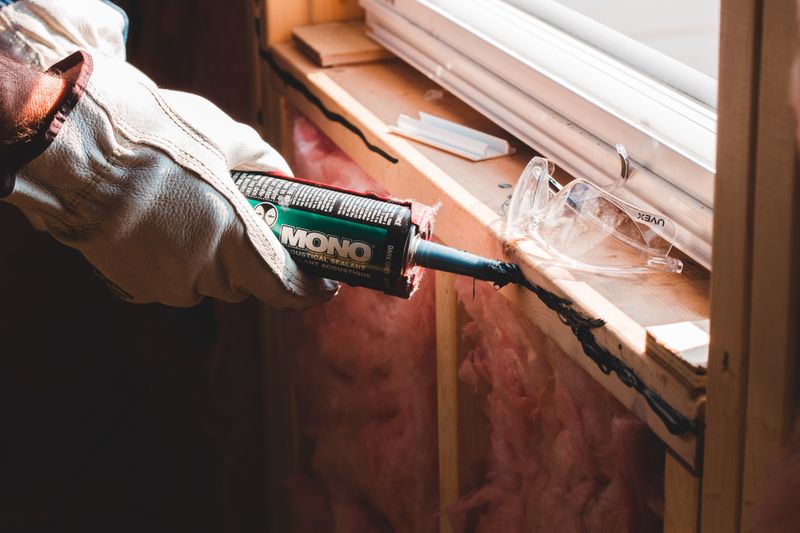
Windows and doors are among the largest sources of heat loss during winter. Even small air leaks can force heating systems to work harder, increasing energy costs throughout the season.
Carefully inspect every window and exterior door.
Check for:
- Worn weatherstripping
- Cracked caulk
- Loose frames
- Broken locks
- Damaged screens
Replacing weatherstripping is inexpensive yet highly effective for improving insulation.
Reapply exterior caulk around window frames where gaps appear.
If you notice condensation between double-pane windows, the seal may have failed. Although this issue doesn’t always require immediate replacement, it’s worth addressing before winter temperatures worsen the problem.
Heavy curtains and insulated window coverings can provide additional energy savings during colder months.
Why Should You Service Your Heating System Before Winter?
Your heating system will soon become one of the hardest-working systems in your home. Waiting until temperatures drop before scheduling maintenance increases the chance of breakdowns when HVAC companies are busiest.
Whether your home uses a furnace, heat pump, or boiler, annual servicing helps ensure safe and efficient operation.
Maintenance typically includes:
- Cleaning internal components
- Checking electrical connections
- Inspecting burners
- Testing thermostat accuracy
- Verifying airflow
- Replacing air filters
Dirty filters reduce efficiency while placing unnecessary strain on the equipment.
If your heating system produces unusual odors, strange sounds, inconsistent heating, or frequent cycling, schedule repairs immediately.
Carbon monoxide detectors should also be tested before heating season begins, especially in homes using natural gas, propane, or oil heating systems.
What Should You Inspect Around Your Home’s Exterior?
The outside of your home constantly faces changing weather conditions. Small cracks or damaged materials often become larger issues after repeated freezing and thawing cycles during winter.
Take a slow walk around your property while examining every visible surface.
Inspect:
- Siding
- Brickwork
- Stone veneer
- Foundation walls
- Trim boards
- Exterior paint
- Decks
- Porches
- Railings
Repair cracks before moisture penetrates the materials.
Loose siding panels should be secured to prevent wind damage.
Wood surfaces should be checked for rot, peeling paint, or insect damage. Applying fresh sealant or paint before winter provides additional protection against moisture.
Is Your Chimney Safe for Winter Use?
If your home includes a fireplace or wood-burning stove, chimney maintenance becomes especially important during fall.
Creosote buildup inside chimneys increases the risk of chimney fires. Birds, leaves, and debris can also block proper ventilation.
Schedule a professional chimney inspection if you regularly burn wood.
Additional maintenance includes:
- Inspecting the chimney cap
- Checking flashing
- Looking for loose bricks
- Examining mortar joints
- Testing fireplace dampers
Never ignore smoke entering your living space or unusual fireplace odors.
Safe chimney operation protects both your family and your home’s structure.
How Do You Prevent Frozen Pipes?
Frozen pipes remain one of winter’s most common and expensive home emergencies.
Water expands as it freezes, placing tremendous pressure on plumbing pipes. Even a small frozen section can cause pipes to burst, resulting in flooding and costly repairs.
Fall preparation should include inspecting exposed plumbing.
Focus on:
- Crawl spaces
- Basements
- Garages
- Exterior walls
- Utility rooms
Insulate vulnerable pipes using foam pipe insulation.
Disconnect garden hoses before freezing temperatures arrive.
Shut off and drain exterior faucets if your climate regularly experiences freezing weather.
Know the location of your home’s main water shutoff valve so you can respond quickly during emergencies.
Should You Inspect Your Foundation?
Your home’s foundation supports the entire structure, making early detection of problems extremely important.
Walk around both the interior and exterior foundation.
Look for:
- New cracks
- Water stains
- Uneven settling
- Damp basement walls
- Efflorescence
- Soil erosion
Ensure the ground slopes away from the house to direct rainwater safely away from the foundation.
Downspout extensions should discharge water several feet from the home whenever possible.
Moisture management remains one of the most effective ways to prevent expensive structural repairs.
Why Does Landscaping Matter Before Winter?
Landscaping maintenance protects both your yard and your home’s exterior.
Dead branches become hazardous during winter storms and can damage roofs, vehicles, fences, or power lines.
Trim:
- Dead tree limbs
- Overgrown shrubs
- Branches touching the roof
- Vegetation near siding
Remove fallen leaves from lawns and flower beds to reduce mold growth and pest activity.
Store outdoor furniture before severe weather arrives.
Drain irrigation systems if freezing temperatures are expected.
Healthy landscaping contributes to better drainage while reducing weather-related risks.
What Should You Check Inside Your Home?
While many homeowners focus on outdoor maintenance during the fall, the interior deserves equal attention before winter arrives. Colder temperatures often mean spending more time indoors, making it even more important to ensure that every major system operates safely and efficiently. A thorough indoor inspection can uncover hidden issues that might otherwise go unnoticed until they become disruptive or expensive repairs during the coldest months of the year.
Taking the time to inspect ceilings, walls, flooring, plumbing fixtures, and electrical systems helps maintain a comfortable living environment while protecting your investment. Small maintenance tasks completed now often prevent emergency repairs later, giving you greater confidence that your home is ready for the months ahead.
Begin your interior inspection by walking through every room with a critical eye.
Pay attention to:
- Water stains on ceilings
Brown or yellow stains may indicate an existing roof leak or plumbing issue that should be repaired before winter precipitation makes it worse. - Cracks in drywall
Small cracks may simply result from normal settling, while larger or expanding cracks could signal structural movement that deserves further investigation. - Uneven flooring
Floors that slope or feel soft underfoot may point to moisture damage or weakened structural components. - Sticky windows and doors
Difficulty opening or closing windows and doors can indicate shifting frames or seasonal expansion that should be corrected. - Plumbing leaks
Inspect sinks, toilets, washing machines, and water heaters for drips or signs of moisture.
By documenting minor concerns during your inspection, you can prioritize repairs before they become major problems.
How Can You Improve Energy Efficiency Before Winter?
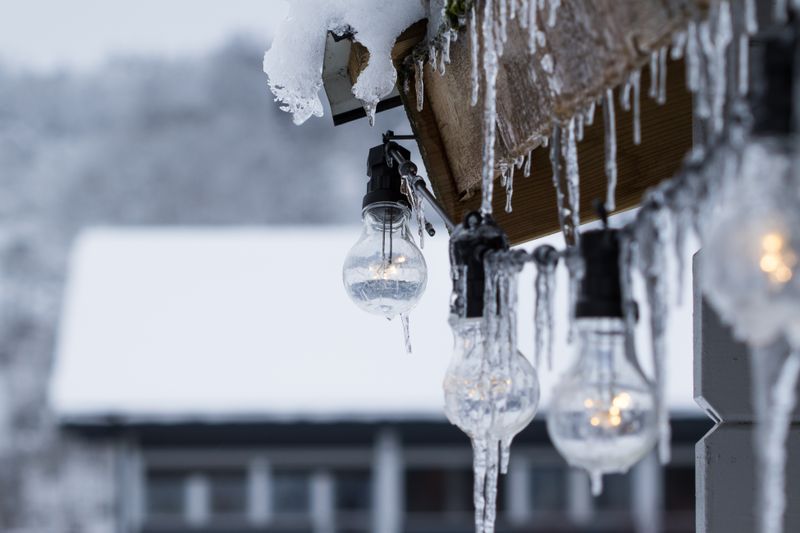
Fall is one of the best opportunities to improve your home’s energy efficiency. Even modest upgrades can lower heating costs while making indoor spaces noticeably more comfortable throughout winter.
Instead of relying solely on your heating system, reduce the amount of heat that escapes from your home. Better insulation and improved air sealing help maintain consistent indoor temperatures while reducing strain on your HVAC equipment.
Consider these energy-saving improvements:
- Add attic insulation
Heat naturally rises, making the attic one of the largest sources of energy loss. Additional insulation often provides one of the highest returns on investment. - Seal air leaks
Apply caulk or expanding foam around plumbing penetrations, wiring, vents, and other openings where outdoor air enters the home. - Install a programmable thermostat
Automatically lowering temperatures while you’re sleeping or away from home can reduce heating expenses without sacrificing comfort. - Replace older light bulbs
LED bulbs consume less electricity and generate less heat than traditional incandescent bulbs. - Inspect attic ventilation
Proper airflow helps regulate moisture levels and reduces the likelihood of ice dams forming during winter.
These improvements work together to reduce monthly utility bills while extending the lifespan of your heating equipment.
Are Your Smoke and Carbon Monoxide Detectors Working Properly?
As furnaces, fireplaces, and space heaters begin operating more frequently, home safety becomes increasingly important.
Smoke alarms and carbon monoxide detectors provide early warnings that can save lives, but only if they function correctly.
During your fall maintenance routine:
- Test every detector using the built-in test button.
- Replace batteries if necessary.
- Vacuum dust from detector openings.
- Replace units that have reached their recommended service life.
- Verify that detectors are installed outside sleeping areas and on every level of the home.
Carbon monoxide is colorless and odorless, making functioning detectors especially important in homes with fuel-burning appliances.
Taking just a few minutes to test these devices significantly improves household safety.
What About Your Garage and Storage Areas?
Garages, sheds, and storage rooms are often overlooked until winter weather arrives. Organizing these spaces during fall makes seasonal equipment easier to access while protecting tools and supplies from moisture damage.
Begin by removing unnecessary clutter.
Then inspect:
- Garage door seals
- Automatic door opener
- Storage shelves
- Weatherstripping
- Exterior lighting
- Extension cords
- Snow removal equipment
If you own a snow blower, inspect it before winter rather than waiting until the first snowfall.
Likewise, verify that shovels, ice melt, and winter emergency supplies are readily available.
Keeping storage spaces organized also reduces fire hazards and improves overall home safety.
Why Should You Prepare Outdoor Equipment Now?
Outdoor equipment requires attention before being stored for winter.
Proper storage extends equipment life while preventing unnecessary repairs when spring returns.
Before storing lawn care equipment:
- Drain or stabilize fuel.
- Clean dirt and grass buildup.
- Sharpen mower blades.
- Lubricate moving parts.
- Store equipment in a dry location.
Garden hoses should be emptied completely and stored indoors if possible.
Outdoor furniture should be cleaned before covering or moving into storage.
Grills should also receive a thorough cleaning before being covered for the season.
Protecting these items during winter helps avoid premature wear and costly replacements.
How Can You Create a Seasonal Maintenance Routine?
One of the most effective ways to reduce home repair costs is by establishing a consistent maintenance schedule instead of waiting for problems to appear.
Rather than treating maintenance as a one-time seasonal task, divide responsibilities throughout the year.
A simple routine may include:
Monthly
- Replace HVAC filters if needed.
- Test smoke detectors.
- Inspect plumbing for leaks.
- Check exterior lighting.
Seasonally
- Clean gutters.
- Inspect roofing.
- Service heating and cooling equipment.
- Trim landscaping.
- Seal exterior gaps.
Annually
- Schedule professional HVAC servicing.
- Inspect the chimney.
- Review roof condition.
- Flush the water heater.
- Examine foundation drainage.
Following a structured schedule makes maintenance more manageable while helping homeowners avoid overlooking critical repairs.
Adopting a philosophy of smart repair and maintenance encourages proactive decision-making, allowing small issues to be addressed before they evolve into major expenses.
When Should You Call a Professional?
Many fall maintenance tasks are suitable for homeowners, but some repairs require specialized knowledge, equipment, or safety precautions.
Attempting complex repairs without the proper experience can increase costs or create additional hazards.
Consider hiring professionals for:
- Roof repairs
- Electrical work
- Furnace servicing
- Chimney cleaning
- Foundation repairs
- Major plumbing issues
- Tree removal near structures
Professional inspections often identify hidden issues that homeowners may overlook.
Developing a relationship with trusted contractors also makes it easier to obtain prompt service when unexpected repairs become necessary.
Preventive inspections frequently cost far less than emergency repairs performed during severe winter weather.
Final Thoughts
Preparing your home during the fall is one of the smartest investments you can make as a homeowner. By inspecting critical systems, addressing small repairs, improving energy efficiency, and protecting both the interior and exterior of your property, you reduce the likelihood of unexpected breakdowns during the winter months. A proactive approach not only helps preserve your home’s value but also creates a safer, warmer, and more comfortable environment for everyone inside.
Whether your checklist includes cleaning gutters, servicing your heating system, sealing air leaks, inspecting plumbing, or organizing seasonal equipment, every completed task contributes to the long-term health of your home. Making fall maintenance an annual habit allows you to stay ahead of costly repairs, extend the life of major components, and face winter with greater confidence knowing your home is well prepared for whatever the season brings.