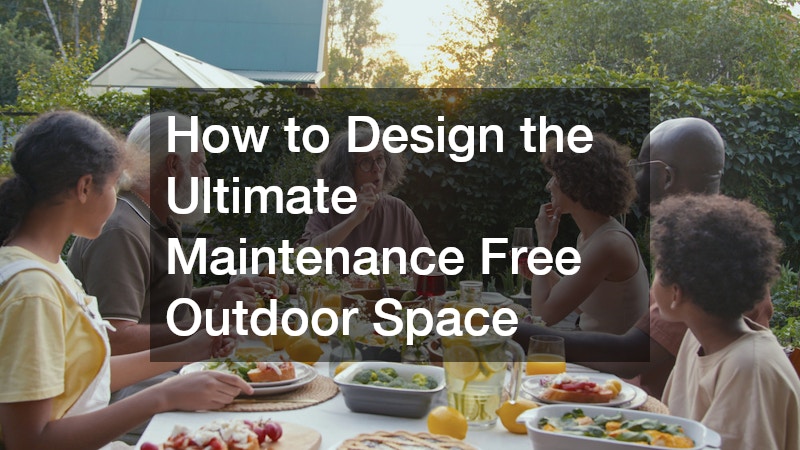
For many homeowners, the dream of a sprawling, picture-perfect backyard quickly turns into a relentless weekend job. Between mowing the grass every Saturday morning, pulling invasive weeds from flowerbeds, sealing rotting wood decks, and trimming overgrown branches, outdoor maintenance can take hours of your free time every week.
However, your yard should be a place to relax and unwind, not a source of endless chores. By taking a strategic approach to outdoor design, you can eliminate the vast majority of routine yard work without sacrificing beauty or functionality. A truly low-maintenance outdoor space relies on a clever balance of high-durability hardscaping, weather-resistant materials, smart water management, and self-sustaining plant choices.
By shifting your focus from high-demanding organic elements to engineered, long-lasting alternatives, you can reclaim your weekends. Here is a comprehensive guide to designing a stunning, low-maintenance exterior space built to last.
Ditch the High-Maintenance Grass in Favor of Permanent Hardscaping Structures
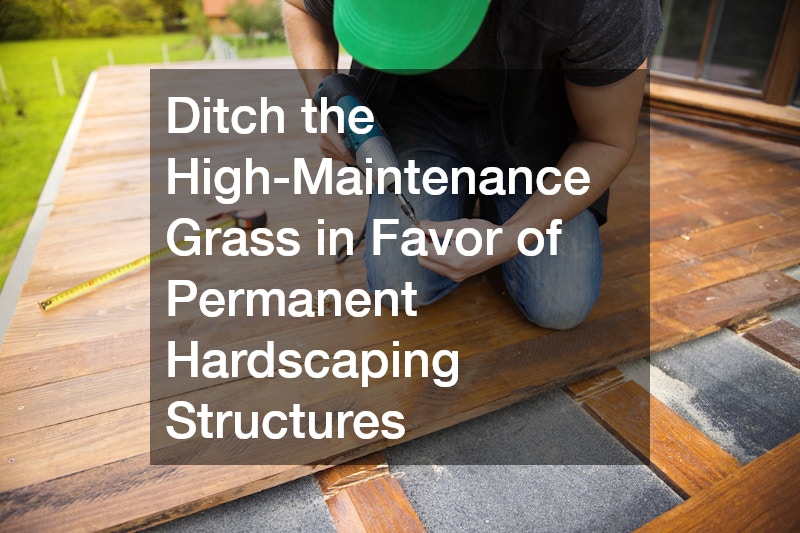
The single most effective way to eliminate outdoor upkeep is to reduce or completely replace traditional turf grass with durable hardscaping. Lawns demand constant attention—mowing, fertilizing, aerating, and watering—and even with significant effort, they are prone to bare spots, weeds, and brown patches during extreme weather. Expanding the hardscape footprint instantly reclaims hours of your time each week.
When designing a permanent living zone, focus on heavy-duty surface materials like natural stone, porcelain pavers, or thick stamped concrete. These materials create clean, functional zones for dining, lounging, and entertaining that require nothing more than an occasional rinse with a hose. Proper installation is critical here; poor drainage or unstable base materials can lead to shifting pavers and weed growth in joint cracks over time.
For large-scale transformations involving major grading or heavy structural foundations, collaborating with professional patio builders ensures that the ground beneath your stone features is properly excavated, compacted, and pitched for water runoff. A solid base prevents settling and shifting, keeping surfaces level and smooth for decades.
Expanding paved zones creates practical, attractive outdoor living spaces where family and friends can gather without stepping onto muddy grass or worrying about yard upkeep. By substituting high-maintenance grass with functional stone and concrete surfaces, you establish a permanent foundation that remains pristine year after year with virtually no ongoing labor.
Upgrade Your Driveway With High-Durability Materials That Resist Wear and Stains
Driveways are one of the most prominent features of a home’s exterior, but conventional options often demand surprising amounts of upkeep. Standard asphalt requires resealing every few years to prevent cracking, while poured concrete easily cracks under heavy loads and stains from vehicle oil, tire marks, and organic leaf debris.
A far more durable and low-maintenance solution is an engineered interlocking stone surface. Modern stone systems are designed to withstand heavy vehicular traffic, extreme freeze-thaw cycles, and harsh weather without cracking or flaking. Because the individual units are flexible, they accommodate slight ground shifts without breaking the overall surface integrity.
Installing a modern paver driveway gives your home an instant aesthetic upgrade while vastly reducing long-term maintenance. To keep joint areas completely weed-free, ensure the installation utilizes polymeric joint sand. This specialized sand hardens upon contact with water, creating a tight, flexible bond that locks out seeds, prevents weed growth, and resists insect burrowing.
Additionally, sealing the surface with a high-grade oil-repellent coating makes cleaning simple. Any grease, mud, or chemical spills can be easily washed away with a quick spray from a pressure washer or standard garden hose, keeping your entryway looking immaculate with minimal effort.
Install Weather-Resistant Overhead Elements for Adjustable Year-Round Shade
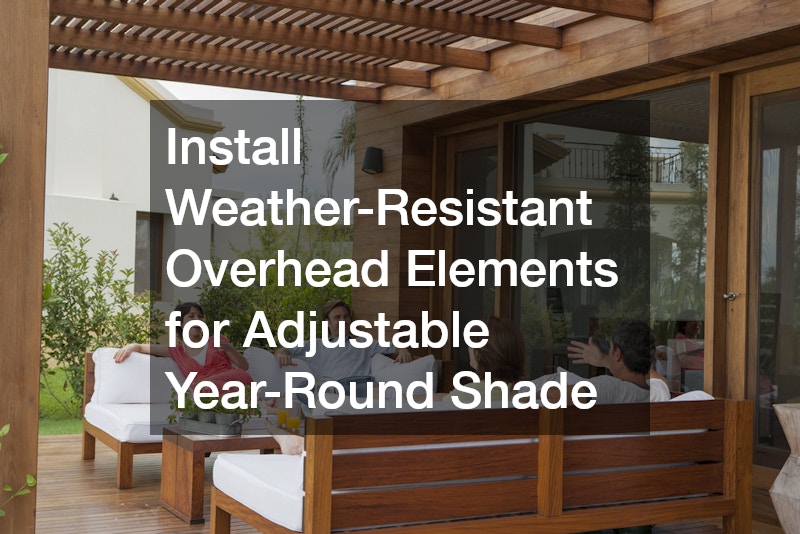
Shade structures are essential for comfortable outdoor living, but traditional wooden features require constant upkeep. Wood structures rot, warp, attract wood-boring insects, and need to be sanded, painted, or stained every couple of years to maintain their appearance. Eliminating high-maintenance wood overhead in favor of engineered materials saves significant time and expense over the lifecycle of your home.
When choosing a permanent shade feature, modern aluminum or high-density vinyl options offer the classic look of traditional architecture without the deterioration. Installing a vinyl or powder-coated aluminum pergola creates a focal point for your lounge area that will never rot, split, or require painting. These structures simply need a quick wipe-down or hose-down once a season to remove surface dust.
For areas where you want flexible sun control—such as over a wide back deck or large glass sliding doors—adjustable fabric covers offer versatile shelter:
- They extend instantly to block intense mid-day heat and fold away to maximize natural indoor light during winter.
- Advanced weather sensors automatically retract the fabric during high winds or heavy rain to prevent structural strain.
- Integrated protective cassettes seal the fabric away safely when not in use, protecting it from moisture and debris.
Installing high-grade motorized retractable awnings provides on-demand shade while protecting your outdoor furniture from harsh UV rays. By selecting durable metal frames and solution-dyed acrylic fabrics, you ensure your overhead structures withstand the elements year after year with zero manual upkeep required.
Protect Exterior Openings With Weatherproof Fabric and Metal Canopy Features
Beyond primary patio areas, secondary exterior spaces like side entries, window frames, and back doors benefit greatly from specialized shading solutions. Direct sunlight streaming through windows not only raises indoor air conditioning costs but also fades interior flooring, rugs, and furniture. Traditional wooden window shutters or unshaded entryways require regular repainting and leave thresholds exposed to rain and moisture.
Fixed architectural canopies made from heavy-duty, marine-grade fabrics or powder-coated metals provide continuous protection against wind, rain, and solar heat gain. Adding fixed fabric or metal awnings above high-exposure windows and doors creates a durable barrier that protects window seals, reduces heat transfer, and keeps entryways dry during sudden downpours.
To ensure your fixed architectural shades remain maintenance-free, look for materials treated for mold, mildew, and UV resistance:
- Marine-grade acrylic fabrics keep their vibrant color for over a decade without fading or water staining.
- Extruded aluminum frames eliminate rust, corrosion, and the need for touch-up painting.
- Sloped designs allow rain, falling leaves, and debris to wash right off the surface naturally.
A periodic spray with a garden hose is all that is needed to keep these protective covers looking fresh. By installing durable, static shade features around your home’s perimeter, you safeguard exterior doors and windows while maintaining a clean, cohesive architectural look.
Manage Canopy Growth Early to Prevent Constant Leaf and Branch Litter
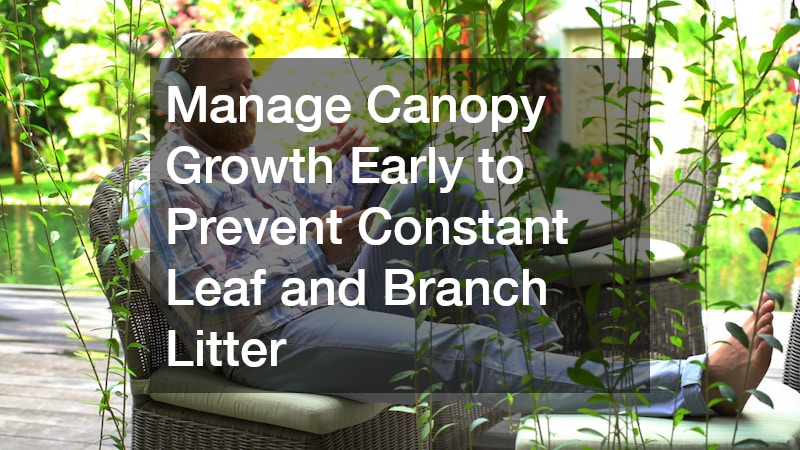
Trees add shade, privacy, and beauty to a property, but they can also be a primary source of endless yard work. Overhanging branches drop constant debris—twigs, leaves, seedpods, and sap—onto patios, gutters, and driveways. Furthermore, overgrown roots can lift surrounding pavers, break irrigation lines, and damage home foundations if left unmanaged.
To minimize tree-related chores, begin by selecting non-messy, slow-growing tree species that do not drop large amounts of fruit, seed pods, or sap. If you already have established mature trees on your property, proactive maintenance is key to keeping branch litter under control.
Hiring certified tree trimmers every couple of years allows you to thin out dense canopies, clear dead wood, and remove low-hanging limbs before they drop debris onto your hardscape. Proper canopy thinning also allows sunlight to reach surrounding garden beds while reducing wind resistance on heavy branches during severe storms.
In cases where a tree is severely diseased, structurally unsound, or positioned too close to your foundation, complete removal may be the most sensible low-maintenance decision. Professional tree cutting safely removes problematic timber, preventing root damage to paved surfaces and eliminating the hassle of cleaning up fallen branches after every high-wind event.
Replace High-Demand Lawns With Native Flora and Automated Micro-Irrigation
If you prefer to keep green elements in your yard, transitioning away from high-maintenance turf grass toward native plants, ground covers, and automated irrigation will dramatically cut down on your workload. Native plants are adapted to your regional climate, meaning once established, they require little to no supplemental watering, fertilizer, or pest control.
To create zero-stress garden beds, start by replacing traditional flower borders with drought-tolerant perennials, ornamental grasses, and evergreen shrubs. Grouping plants with similar water and light needs together ensures they thrive naturally. Covering garden beds with a thick layer of hardwood mulch, gravel, or river rock suppresses weed growth, retains soil moisture, and eliminates the need for frequent weeding.
For the remaining planted areas, drop the manual hose watering entirely. Working with an experienced landscaping company allows you to install customized micro-drip irrigation systems hidden beneath mulch layers. Drip systems deliver water precisely to plant root zones, minimizing evaporation loss and preventing water from splashing onto nearby hardscaping or home siding.
For any small patches of green you choose to keep, consider swapping natural grass for alternative ground covers like creeping thyme, clover, or high-end artificial turf. These alternatives eliminate the need for weekly lawn care services, completely taking mowing, edging, and seasonal fertilization off your schedule.
Implement Automated Systems and Composite Surfaces to Minimize Manual Upkeep
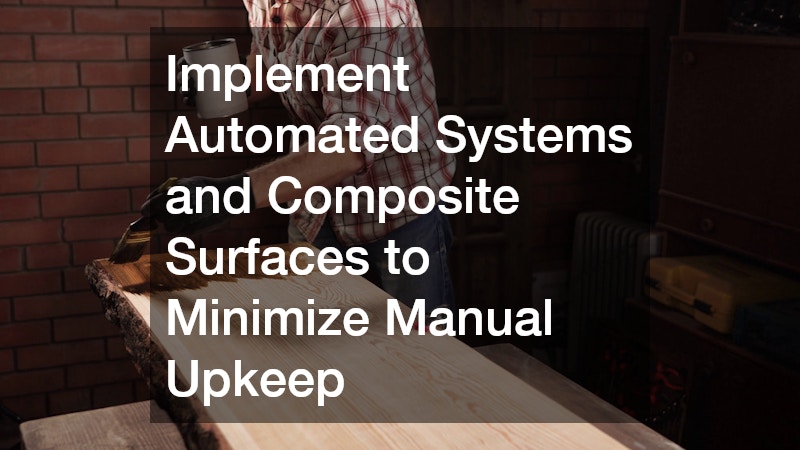
Beyond hardscaping and smart plant selection, incorporating modern materials and automated technology into your outdoor design ensures your space stays pristine with virtually zero personal effort. Modern home technology and synthetic building materials have advanced significantly, offering incredibly convincing alternatives to high-maintenance organic materials.
Transition to Capped Composite Materials
If your layout includes raised platforms, decking, or perimeter fencing, avoid natural timber. Modern capped composite materials offer the rich grain and warmth of wood without any of its drawbacks:
- No Staining or Sealing: Composite boards never need painting, staining, or waterproofing treatments.
- Rot and Insect Resistance: Synthetic materials are completely immune to termites, fungal decay, and splintering.
- Easy Cleaning: A simple wash with soap and water once or twice a year keeps composite decks looking brand new.
Automate Routine Outdoor Tasks
Smart technology can handle remaining routine maintenance tasks in the background, freeing up your schedule entirely:
- Robotic Lawn Care: If you maintain a small lawn patch, a smart robotic mower can keep the grass cut to an exact height automatically on a daily schedule. These mowers are designed to navigate around obstacles and can even return to their charging stations when the job is complete.
- Smart Irrigation Controllers: Weather-sensing smart controllers automatically adjust watering schedules based on real-time rainfall forecasts, preventing overwatering and saving money. By utilizing data from local weather stations, these systems ensure that your garden gets the right amount of water without any waste.
- Low-Voltage LED Lighting: Install durable, weather-sealed LED landscape lighting connected to smart timers or photocells. LED fixtures consume minimal energy, last for tens of thousands of hours, and eliminate frequent bulb changes. With smart control, you can set schedules or control your lighting remotely, enhancing both security and ambiance for your outdoor spaces. This seamless integration of technology not only enhances the beauty of your landscape but also contributes to a more sustainable way of living.
Simplify Outdoor Furniture and Amenity Choices
The items you place on your patio matter just as much as the patio itself when it comes to ongoing effort:
- Choose furniture made from powder-coated aluminum, marine-grade polymer, or synthetic all-weather wicker.
- Select quick-dry foam cushions wrapped in solution-dyed outdoor fabrics that resist mildew, water absorption, and UV fading.
- Invest in fitted, weatherproof covers for dining sets and fire pits to protect them during off-seasons, eliminating deep spring cleaning.
Additionally, consider incorporating outdoor rugs, which can add a touch of warmth and style while also helping to define different areas of the space. Don’t forget about lighting options, like solar-powered lanterns or string lights, to create a cozy atmosphere for evening gatherings. Finally, adding potted plants or outdoor art can brighten your patio and make it a more inviting place to relax and entertain.
Reclaim Your Outdoors With Smart Design
Designing a low-maintenance outdoor space is not about eliminating nature or settling for a stark, characterless yard. Instead, it is about making intentional, forward-thinking choices that prioritize durability, automation, and long-term functionality. By replacing high-demand grass with permanent stone surfaces, installing weather-resistant shade features, utilizing native self-sustaining plants, and choosing engineered materials, you create an outdoor sanctuary that works for you—not the other way around.
Every low-maintenance feature you incorporate reduces the time, energy, and money required to keep your property looking its best. Whether you are starting a complete backyard overhaul or making gradual upgrades, investing in durable, smart materials today ensures you can spend your weekends relaxing and enjoying your outdoor space for years to come.