
Replacing or repairing the upper protective barrier of your home is a major financial investment that safeguards your property from severe weather damage. Understanding the renovation process before work begins helps avoid unexpected surprises and ensures a seamless project experience. Selecting a reliable roofing contractor serves as the foundational step toward achieving a durable, high-quality roof replacement. From initial consultation to final walkthrough inspection, professional home projects follow a structured series of steps designed to maintain structural integrity and deliver value. By knowing what each stage entails, you can comfortably communicate your goals and manage project expectations with confidence.
Preparing for Your Initial Consultation
Gathering Preliminary Property Information
Before reaching out to local home specialists, compile essential details regarding your house and its historical upkeep. Locating previous repair records, existing warranty documentation, and the age of current materials provides valuable context during early discussions. Documenting visible leak locations, interior ceiling stains, or damaged exterior shingles with clear photos allows technicians to quickly pinpoint problem areas during their preliminary structural review.
Defining Your Project Scope and Budget
Establishing clear boundaries regarding your home improvement goals prevents scope creep and keeps finances manageable throughout the project duration. Determine whether your property requires a full tear-off or simple surface repairs, and research modern material options like architectural shingles, standing seam metal panels, or synthetic tiles. Having a realistic financial range established upfront ensures recommendations align with your long-term goals without compromising quality.
Scheduling Your Initial Inspection Meeting
Once you initiate contact, set up an on-site visit for a thorough physical evaluation of your property. Expect the representative to inspect attic ventilation systems, examine outer structural components, and take precise roof measurement readings. Clearing access to your driveway, garage, and yard enables the crew to complete this site evaluation efficiently and document all necessary conditions prior to issuing an estimate.
Navigating the Proposal and Agreement Phase
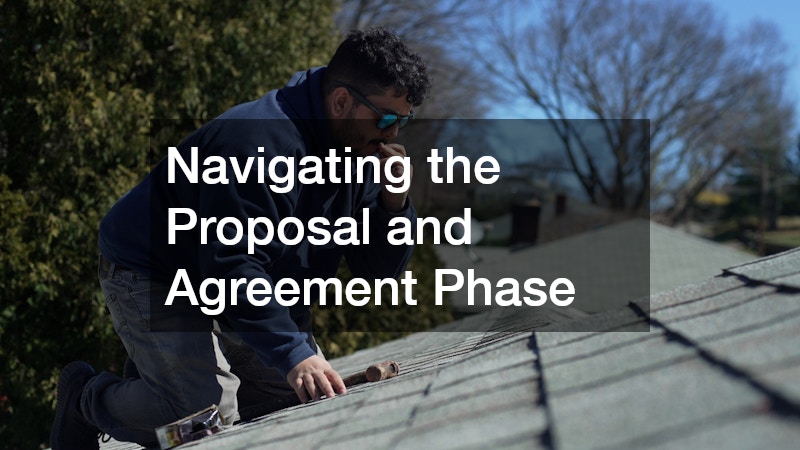
Reviewing Detailed Estimates Line by Line
A comprehensive written proposal outlines all project costs clearly, leaving no room for unexpected surprises down the road. Look for broken-down costs covering labor, raw materials, waste disposal fees, permit applications, and potential extra charges for rotten decking replacement. Comparing itemized lists across different bids helps you evaluate relative value rather than simply picking the lowest overall price tag available.
Verifying Licensing and Insurance Documentation
Before signing any binding agreement, confirm that your chosen roofing contractor maintains active state licensing and adequate insurance policies. Proper coverage must include both general liability protection and workers’ compensation coverage to shield your household from financial liability during construction. Validating these credentials directly with local licensing boards provides complete peace of mind before crew members step onto your roof.
Finalizing Contracts and Payment Terms
A professional contract must clearly state the estimated timeline, daily cleanup responsibilities, material specifications, and explicit payment milestones. Avoid arrangements requiring complete payment upfront; reasonable agreements typically utilize a modest deposit followed by progress payments tied to completed work phases. Ensure all verbal promises regarding material warranties or labor guarantees appear in writing before signing the final binding document.
Managing the Installation Process
Setting Up Safety Precautions on Site
On the first morning of work, the crew establishes a secure work environment around the outer perimeter of your house. Heavy equipment, protective tarps, and large dumpsters will occupy space in your driveway and yard to protect delicate landscaping features. Moving vehicles, patio furniture, and potted plants away from the immediate perimeter ensures smooth operations and prevents accidental property damage.
Monitoring Daily Progress and Debris Removal
Active construction generates significant noise, structural vibrations, and falling debris as old materials are stripped down to the wooden deck. Crews should consistently clean up the property at the conclusion of each workday using magnetic sweepers to gather stray nails and metal fragments. Open communication with the site supervisor keeps you updated on milestones, weather delays, and structural repairs.
Completing the Final Walkthrough Inspection
Once the final ridge cap is securely installed, conduct a formal inspection alongside the site foreman to review the finished product. Check gutter lines, valley flashing details, and ground areas to ensure everything meets your expectations and project specifications. Resolving minor punch-list items promptly ensures complete satisfaction before issuing final payment and receiving your official warranty paperwork.
Navigating a major home improvement project becomes straightforward when you understand each step of the process in advance. From gathering initial property details and reviewing itemized proposals to managing daily site activities, thorough preparation ensures successful results. Partnering with a reliable roofing contractor ensures that high industry standards are met, protecting your property against severe weather conditions for decades to come.