
Many homeowners do not think about their home’s water systems until something stops working properly. A dripping faucet, slow drain, inconsistent water temperature, or unexpected leak can quickly interrupt daily routines and create unnecessary frustration. However, improvements do not always need to involve major construction or expensive renovations to make a noticeable difference. Small changes throughout the home can improve convenience, efficiency, and reliability while creating a more comfortable living environment.
Evaluate Everyday Water Problems Before Making Improvements
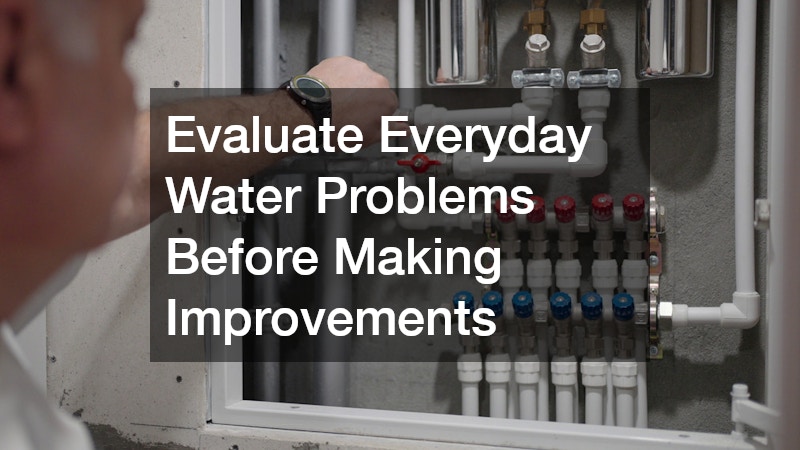
Before making any updates, homeowners should first identify the issues affecting their daily routines. Small frustrations such as waiting too long for hot water, dealing with weak pressure, or repeatedly clearing slow drains may seem minor, but they often indicate areas where improvements can create noticeable comfort benefits. Taking time to evaluate these concerns helps homeowners prioritize projects that will have the greatest impact. A careful assessment also prevents unnecessary upgrades by focusing attention on areas that truly need attention.
Working with a qualified local plumber can help homeowners better understand the condition of their home’s systems and identify opportunities for improvement. Professionals can evaluate existing equipment, locate potential concerns, and explain which updates may provide the best results. Rather than guessing which changes will make a difference, homeowners can rely on expert recommendations based on the home’s current condition. This approach creates a more efficient improvement plan while reducing the chance of overlooking important details.
Before beginning a project, homeowners should consider several common concerns:
- Areas where water pressure feels inconsistent.
- Fixtures that frequently leak or require repairs.
- Drains that empty slowly or create unpleasant odors.
- Rooms where the water temperature changes unexpectedly.
- Older components that may be nearing the end of their lifespan.
Identifying these problems early allows homeowners to address them before they become more disruptive. Small improvements made at the right time can prevent larger issues and create a more comfortable home environment. A proactive evaluation provides a strong foundation for making practical decisions.
Upgrade Essential Components for Better System Performance
Many homeowners underestimate how much small components affect the performance of their home’s water systems. Over time, everyday use can wear down connections, valves, fixtures, and other pieces that help everything operate properly. Replacing outdated or damaged items can improve reliability without requiring major renovations. These smaller updates often provide immediate benefits by reducing leaks, improving function, and preventing future problems.
Choosing quality plumbing parts is an important step when making these improvements. While inexpensive replacements may seem like an easy way to save money, lower-quality materials may not provide the durability needed for long-term performance. Selecting reliable components helps protect the system and reduces the likelihood of repeated repairs. Homeowners should consider compatibility, durability, and manufacturer recommendations when replacing important parts.
Some small component upgrades that can improve performance include:
- Replacing worn faucet cartridges.
- Updating outdated shut-off valves.
- Installing more efficient fixtures.
- Replacing aging supply lines.
- Improving connections around frequently used appliances.
These improvements may seem simple, but they can have a meaningful impact on everyday comfort. A faucet that operates smoothly, a fixture that performs efficiently, and a connection that does not leak all contribute to a more reliable home. Regular attention to smaller components can also help prevent damage that requires more extensive work later.
Improve Water Flow With Regular Maintenance Practices
Drainage problems are among the most common frustrations homeowners experience. Slow-moving drains, unpleasant smells, and recurring backups can interfere with normal household activities and create unnecessary inconvenience. While some homeowners attempt quick fixes, these solutions often only address surface-level symptoms rather than the underlying cause. Regular maintenance provides a more effective way to keep water moving properly throughout the home.
Professional drain cleaning services can help remove buildup that develops inside pipes over time. Soap residue, grease, hair, mineral deposits, and other materials can gradually restrict water flow and create ongoing issues. Professional cleaning methods are designed to clear these obstructions while helping protect the overall system. Scheduling drain cleaning before problems become severe can improve performance and reduce the need for emergency attention.
Homeowners can support better drainage by practicing simple habits:
- Avoid putting grease and oils down kitchen drains.
- Use drain screens to catch debris.
- Remove visible buildup regularly.
- Pay attention to unusual odors or slow drainage.
- Schedule professional maintenance when recurring issues appear.
Consistent care helps maintain better water flow and reduces strain on the system. Preventative maintenance also allows professionals to identify potential concerns before they develop into larger problems. A small amount of attention can make a significant difference in how comfortably a home functions.
Address Small Leaks Before They Become Major Repairs
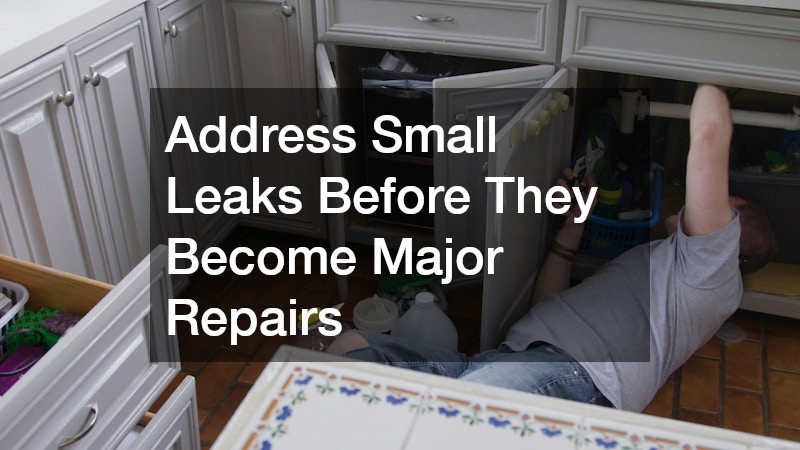
A minor leak may appear harmless, but even small amounts of water escaping over time can cause significant damage. Moisture can affect cabinets, flooring, walls, and structural materials if the problem is ignored. Homeowners often become accustomed to small drips or damp areas, but these warning signs should be addressed quickly. Early action can prevent expensive repairs and protect the overall condition of the property.
Professional plumbing repairs are often most effective when completed before damage spreads. Experienced technicians can identify the source of leaks, evaluate the surrounding area, and recommend the appropriate solution. Some leaks are easy to spot, while others may occur behind walls, under floors, or near hidden connections. Addressing these concerns promptly helps preserve the home’s safety and prevents unnecessary complications.
Common signs that a home may need attention include:
- Unexplained increases in water bills.
- Damp spots on walls or ceilings.
- Sounds of running water when fixtures are off.
- Mold or mildew growth near water sources.
- Water stains around sinks or appliances.
Recognizing these warning signs allows homeowners to respond before minor concerns become major disruptions. Regular inspections and timely solutions can extend the life of household systems while maintaining a healthier living environment. Small repairs completed at the right time often prevent much larger expenses later.
Improve Home Safety With Better Water Management
A home’s underground water systems play a major role in protecting comfort and preventing damage. While many homeowners focus on visible fixtures, areas beneath the property can also experience wear and deterioration over time. Problems in these areas may not always be immediately obvious, which makes awareness and preventative care especially important. Understanding how these systems function allows homeowners to recognize warning signs earlier.
The sewer line is one of the most important parts of a home’s overall water management system. When issues develop, homeowners may notice slow drainage, unusual smells, backups, or changes in how multiple fixtures operate. Regular evaluations can help identify concerns before they create extensive damage or require major intervention. Maintaining this essential system supports a healthier and more reliable home environment.
Homeowners can help protect these systems by:
- Avoid flushing inappropriate materials.
- Monitoring recurring drainage problems.
- Addressing unusual odors quickly.
- Scheduling inspections for older systems.
- Keeping trees and large roots away from vulnerable areas.
Preventative care helps reduce the likelihood of unexpected disruptions. By paying attention to early warning signs and maintaining important systems, homeowners can create a safer and more comfortable property. Small actions today can provide significant protection over time.
Create More Reliable Hot Water Experiences
Hot water is one of the most important comforts in any home, affecting everything from morning routines to cleaning tasks and household efficiency. When water takes too long to heat, temperatures fluctuate, or supplies run out quickly, everyday activities become more frustrating. Many homeowners accept these problems as normal signs of aging equipment, but they may indicate that improvements are needed. Addressing hot water concerns can significantly improve convenience while helping the system operate more efficiently.
Scheduling professional water heater repair can help identify issues before they lead to complete system failure. Problems such as sediment buildup, damaged components, unusual noises, or inconsistent temperatures may indicate that the equipment needs attention. A professional evaluation can determine whether repairs, maintenance, or replacement would provide the best long-term solution. Taking action early helps homeowners avoid unexpected disruptions and ensures that their system continues meeting household demands.
Homeowners should watch for several signs that their water heater may need attention:
- Water that does not reach the expected temperature.
- Hot water is running out faster than usual.
- Strange noises coming from the tank.
- Discolored water from hot water fixtures.
- Visible leaks near the equipment.
- Higher energy costs without major changes in usage.
Regular maintenance can extend the life of water heating equipment and improve overall performance. Simple steps, such as flushing sediment buildup and checking important components, help maintain efficiency. A reliable hot water system contributes to daily comfort and prevents interruptions that affect the entire household.
Reduce Mineral Buildup and Improve Water Quality
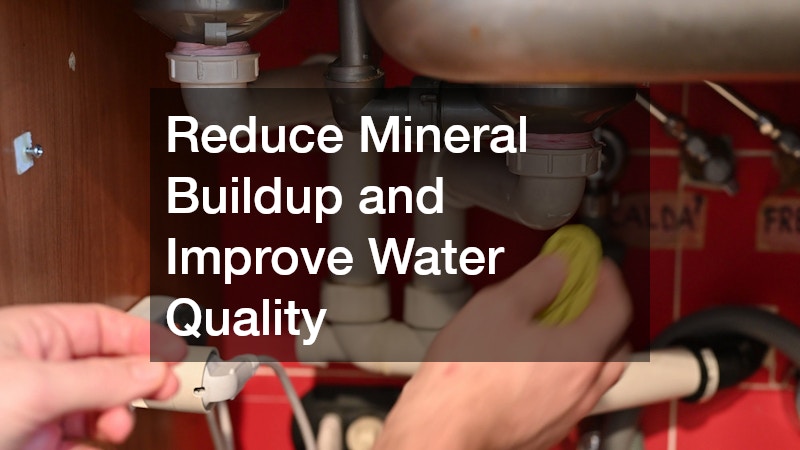
The quality of household water affects much more than drinking habits. Minerals found in hard water can gradually impact fixtures, appliances, cleaning routines, and the appearance of surfaces throughout the home. Many homeowners notice signs such as cloudy glassware, spots on faucets, dry skin, or reduced soap effectiveness without realizing that water quality may be contributing to these concerns. Improving water conditions can create noticeable comfort benefits throughout daily life.
Installing water softeners can help reduce the effects of mineral buildup by treating the water before it reaches household fixtures. Softer water may help protect appliances, reduce residue, and make cleaning tasks easier. Homeowners considering this type of improvement should evaluate their current water quality and understand how different systems work. A properly selected solution can support both comfort and the long-term condition of household equipment.
Improving water quality can provide several practical benefits, including:
- Less mineral buildup on fixtures.
- Reduced residue on shower surfaces.
- Improved performance of soaps and detergents.
- Better protection for water-using appliances.
- Easier cleaning routines.
Water quality improvements are often overlooked because they do not involve visible construction changes. However, these updates can influence many areas of the home and improve everyday experiences. By addressing water concerns proactively, homeowners can create a cleaner, more comfortable environment while helping protect their investments.
Make Bathroom and Kitchen Updates More Functional
Bathrooms and kitchens are two of the busiest areas in most homes, making them ideal places to focus on comfort upgrades. Even small changes in these rooms can improve convenience, efficiency, and overall enjoyment. Replacing outdated fixtures, improving layouts, or updating frequently used features can make everyday routines smoother. These improvements often provide noticeable results without requiring a complete renovation.
Experienced residential plumbers can help homeowners identify practical updates that improve performance while complementing existing designs. Professional guidance ensures that new fixtures are installed correctly and that changes support the home’s overall system. Choosing the right plumbing parts also plays an important role in achieving reliable results. Quality materials and proper installation can help prevent future problems while improving how these spaces function.
Small kitchen and bathroom improvements may include:
- Installing modern faucets with improved efficiency.
- Updating shower fixtures for better water flow.
- Replacing aging supply connections.
- Improving fixture placement for convenience.
- Adding features that make cleaning easier.
These updates demonstrate that comfort does not always require major remodeling. Simple changes can make a home feel more modern, efficient, and enjoyable. When improvements are carefully selected, they can enhance daily routines while supporting long-term household performance.
Plan Preventive Improvements That Save Money Over Time

Many homeowners wait until a plumbing problem occurs before addressing their home’s systems. While emergency solutions can resolve immediate concerns, preventative improvements often provide better long-term value. Regular evaluations and planned upgrades allow homeowners to address aging components before they fail. This approach creates fewer disruptions and helps maintain a more dependable home environment.
Working with a knowledgeable local plumber allows homeowners to create a maintenance strategy based on their property’s specific needs. Professionals can identify areas where small improvements may prevent larger expenses in the future. Instead of replacing entire systems unexpectedly, homeowners can gradually update components and improve performance over time. This method also makes it easier to budget for necessary improvements.
A preventative maintenance plan may include:
- Scheduling regular system inspections.
- Replacing aging components before failure.
- Monitoring water usage changes.
- Addressing small leaks quickly.
- Keeping records of previous repairs and upgrades.
Taking a proactive approach reduces stress and helps homeowners make informed decisions. Rather than reacting to problems after they occur, planned improvements create a more reliable and comfortable living space. Preventive care is an investment that supports both convenience and property protection.
Choose Reliable Professionals for Long-Term Success
Professional drain cleaning services can provide more thorough solutions than basic methods while helping maintain the condition of the system. Experienced technicians understand how different components work together and can recommend improvements based on the home’s specific needs. Clear communication, detailed explanations, and professional recommendations help homeowners feel confident throughout the process. Selecting the right service provider is an important step in protecting the value and comfort of the home.
Before hiring a professional, homeowners should consider:
- Experience with similar projects.
- Clear communication and recommendations.
- Proper credentials and qualifications.
- Detailed explanations of the work involved.
- Reliable scheduling and follow-up support.
A strong working relationship with a qualified professional makes improvement projects smoother from start to finish. Homeowners benefit from expert guidance while gaining solutions designed for long-term performance. The right support ensures that small upgrades deliver meaningful comfort improvements.