The exterior of a residence serves as the primary line of defense against an unforgiving environment. It is a complex system of interconnected components, ranging from the shingles on the peak to the foundation drainage at the base. Over time, the materials that shield your living space are subjected to thermal expansion, ultraviolet degradation, and moisture infiltration. While many homeowners attempt to extend the life of these materials through weekend DIY projects, there is a distinct threshold where maintenance is no longer cost-effective.
A professional overhaul becomes necessary when the structural integrity of the home is at risk. Recognizing the subtle indicators of failure—such as rising energy costs, localized rot, or recurring leaks—allows for a proactive approach to home preservation.
Evaluating the Health of the Upper Canopy
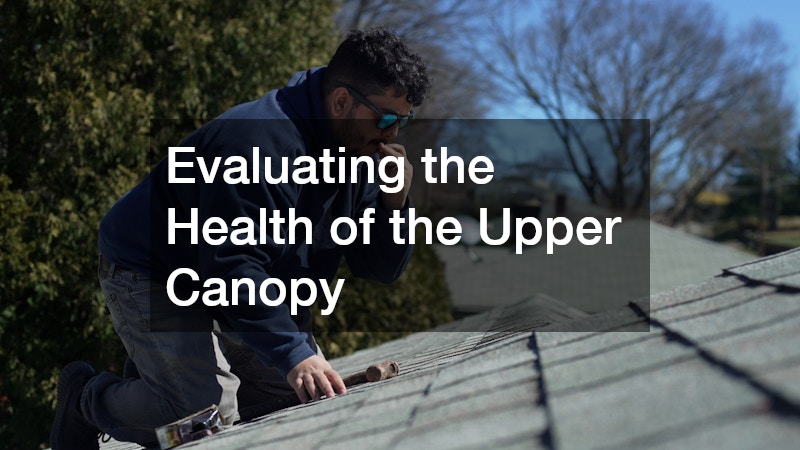
The roof is arguably the most critical component of the home exterior because gravity ensures that any failure at the top eventually affects everything below it. Homeowners should regularly scan their roofline for signs of sagging, which often indicates that the internal decking has been compromised by long-term moisture exposure. If you notice a significant accumulation of asphalt granules in your downspouts, it is a clear sign that the protective coating of your shingles has eroded, leaving the fiberglass mat vulnerable to sun damage.
When the frequency of leaks increases despite your best efforts, you are likely dealing with an aged system that has reached the end of its functional lifespan. Engaging in constant roofing repairs may seem like a way to save money in the short term, but this patchwork approach often hides larger issues like mold growth in the attic or weakened rafters. A comprehensive inspection can reveal if the flashing around chimneys and vents has failed, which is a common entry point for water.
To ensure the long-term safety of your structure, it is essential to consult with established roofing contractors who can provide a detailed assessment of the entire system. These experts look beyond the surface to check for proper ventilation and ice dam protection, ensuring that a new installation will perform correctly for decades. They can also advise on the best materials for your specific climate, whether you require high-impact shingles or heat-reflective coatings.
Redefining the Vertical Barriers
Siding is not merely an aesthetic choice; it acts as a windbreaker for your home, preventing air and water from penetrating the wall cavities. When siding begins to warp, crack, or pull away from the studs, the “house wrap” underneath is often the only thing left protecting your wooden frame. If you see signs of dry rot on the edges of your siding or notice that the paint is peeling prematurely, it is an indication that the material is absorbing moisture rather than shedding it.
For those looking for a permanent solution to siding degradation, a metal board and batten siding service offers an incredibly durable and low-maintenance alternative to traditional materials. This specific style provides a classic architectural look while utilizing the strength of steel or aluminum to resist fire, pests, and heavy impacts from storm debris. Because metal does not expand and contract as drastically as vinyl, the seals remain tight and waterproof for a much longer duration.
If your current exterior looks dated or requires constant pressure washing to manage mildew, it might be time to investigate professional siding services to revitalize your home. A full replacement allows installers to identify and fix any hidden structural damage or insect infestations that have occurred behind the old panels. Modern siding technology also includes better locking mechanisms that prevent panels from rattling or blowing off during high-wind events.
- Check for “oil canning” or waves in existing metal panels.
- Look for soft spots in wood siding that indicate fungal growth.
- Inspect the caulking around windows and doors for shrinkage.
- Observe if there is any unexplained fading that suggests UV protective layers have failed.
Optimizing the Thermal Envelope and Entry Points
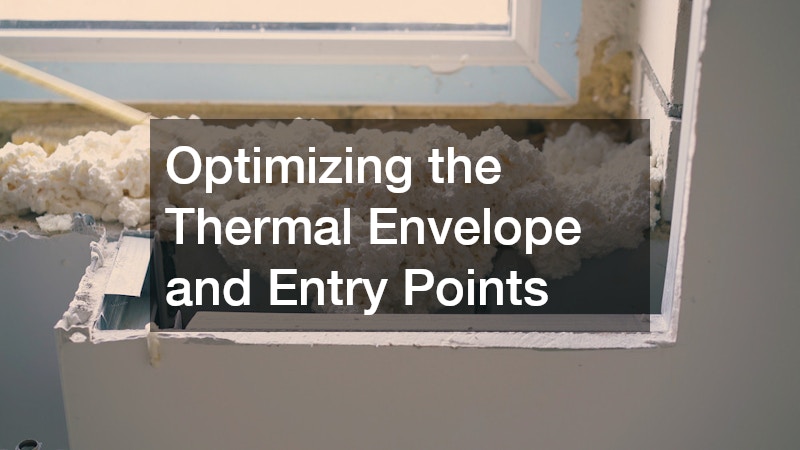
The efficiency of a home is dictated by how well the exterior prevents the transfer of heat. If your walls feel cold to the touch in the winter or uncomfortably warm in the summer, the barrier between you and the outdoors has likely thinned or settled. This thermal bridging not only makes the home less comfortable but also forces your heating and cooling systems to run continuously, leading to mechanical failure and high bills.
One of the most impactful upgrades you can make during an exterior overhaul is the inclusion of a high-quality home insulation service. By blowing in modern insulating materials or installing rigid foam boards behind new siding, you create a continuous thermal break that keeps conditioned air where it belongs. This process also helps with sound dampening, making your home a much quieter environment by reducing the infiltration of street noise.
Windows are often the weakest link in a home’s thermal defense, especially if they are single-pane or have failing seals. If you experience drafts near your windows or see fogging between the panes, a professional window installation is necessary to restore the integrity of the opening. New units feature low-emissivity glass and argon gas fills that block the sun’s heat while allowing natural light to fill your rooms without fading your furniture.
Protecting Transitional and Outdoor Living Areas
If your porch screens are torn or the framing has become pitted and corroded by salt air, the space becomes unusable and can even become a breeding ground for mosquitoes and other pests. Furthermore, structural degradation in these transitional zones can lead to water intrusion at the threshold of your primary living space, potentially damaging expensive interior flooring or causing sill plate rot if the seals are ignored.
Investing in a professional lanai enclosure service can significantly upgrade the utility and value of your property. These experts can install high-strength mesh and reinforced aluminum frames that stay taut and secure even in coastal environments. A well-designed enclosure allows you to enjoy the breeze without worrying about rain or debris ruining your outdoor furniture or flooring. By utilizing advanced screening materials that offer pet resistance or specialized “no-see-um” mesh, you can tailor the space to your specific lifestyle needs while ensuring the structure remains a seamless extension of your home’s aesthetic.
In regions prone to severe weather, the protection of these large openings is a matter of safety rather than just comfort. If you are still using heavy plywood or old-fashioned panels that require a ladder to install, it is time to consider a modern hurricane shutter service to fortify your home. Today’s options include sleek roll-down or decorative colonial styles that can be deployed in minutes, providing a robust shield against flying objects and extreme pressure changes during a storm. These integrated systems often include reinforced tracks and locking mechanisms that enhance the overall structural rigidity of your home’s envelope, making it much harder for wind to find a point of entry.
Beyond immediate storm defense, these outdoor upgrades serve as a vital layer of security and privacy for the modern homeowner. High-quality enclosures and automated shutter systems act as a secondary barrier against unauthorized entry, providing peace of mind when you are away from the property for extended periods. When these systems are installed by specialists who understand the load-bearing requirements of your specific region, they create a durable buffer zone that significantly reduces the wear and tear on your primary windows and doors, effectively extending the lifespan of your entire exterior.
- Test the tension of all outdoor screens annually.
- Lubricate the tracks of sliding glass doors to prevent frame warping.
- Inspect the mounting points of shutters for signs of rust or loosening bolts.
- Check for standing water on patio surfaces, which can indicate poor grading.
Selecting the Right Expertise for Complex Projects

A total exterior overhaul is a massive undertaking that requires the synchronization of several different trades. Attempting to manage these projects individually can lead to gaps in the warranty or mistakes in the flashing where different materials meet. It is vital to find a partner who understands the holistic nature of exterior maintenance and can manage the timeline to ensure the home is never left vulnerable to a sudden rainstorm.
When vetting potential partners, it is wise to look for established roofing companies that have the logistical capacity to handle large-scale renovations. These firms usually have better access to high-quality materials and can offer comprehensive warranties that cover both the products and the labor. They also have the project management experience to coordinate between the siding crews and the window installers so that the work progresses logically and efficiently.
For the most technical aspects of the job, such as complex valley flashing or chimney cricket construction, you want to ensure the crew consists of specialized residential roofers. These individuals possess the specific training required to navigate the unique architectural details of a home, which are often different from commercial applications. Their attention to detail on the “small stuff” is what ultimately prevents the minor leaks that can lead to major structural headaches five years down the road.
Assessing Material Durability and Environmental Fit
Choosing the right materials for an overhaul requires a balance between aesthetic preference and environmental reality. A home located in a humid, wooded area will have very different needs than a home in a dry, sun-drenched valley. For example, wood siding may look beautiful in a mountain setting, but in a swampy climate, it will require a grueling maintenance schedule to prevent rot and termite damage. Selecting products that are specifically engineered for your local micro-climate ensures that the investment you make today does not become a liability in five years.
The longevity of your renovation is often determined by how well the chosen materials resist local stressors like salt spray, heavy snow loads, or extreme heat. In coastal regions, for instance, stainless steel fasteners and salt-resistant finishes are non-negotiable to prevent the rapid corrosion of metal components. Conversely, in areas prone to wildfires, homeowners should prioritize ignition-resistant materials and Class A fire-rated roofing to create a defensible space around their property.
- Research the fire rating of all exterior cladding materials.
- Ensure that your roofing material is rated for the wind speeds common in your area.
- Inquire about the “R-value” of insulation to maximize energy credits.
- Choose window frames that are UV-stabilized to prevent yellowing and brittleness.
Beyond the raw durability of the materials, the compatibility of different systems is essential for a successful structural envelope. When you integrate high-performance glass with upgraded wall assemblies, the reduction in moisture accumulation and temperature fluctuations protects the internal framing from the inside out. It is also important to consider the color palette in relation to thermal gain, as darker shades can absorb significant amounts of solar radiation, potentially shortening the lifespan of certain sealants and coatings in hotter climates.
The final phase of any overhaul should include a thorough walk-through with the project lead to inspect the quality of the seals and the cleanliness of the site. A professional team will ensure that all old materials are hauled away and that your landscaping has been protected throughout the process. This attention to the finishing touches—ensuring every bead of caulk is smooth, and every scrap of debris is removed—is what separates a high-end renovation from a standard repair job.
Ensuring Long-Term Value Through Strategic Maintenance
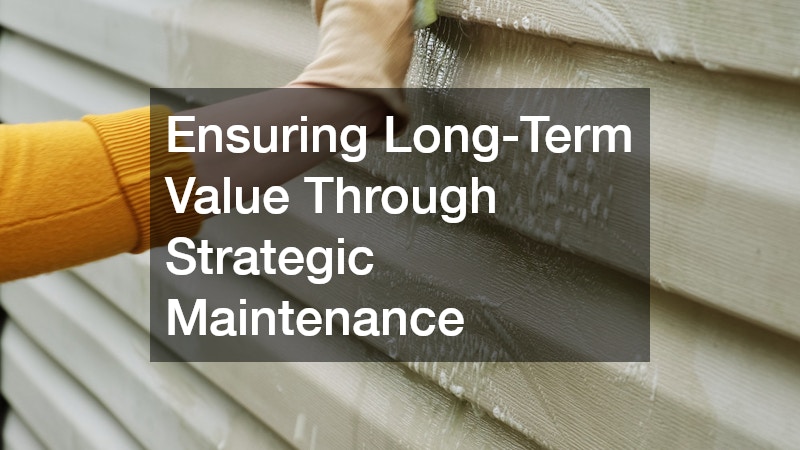
Once the overhaul is complete, the focus shifts to preserving the new components through a simplified maintenance routine. High-quality modern materials generally require much less work than the older systems they replaced, but they are not entirely “set and forget.” Keeping gutters clear of leaves and ensuring that sprinklers do not constantly spray the side of the house will help maintain the pristine look and functional integrity of your new exterior.
Documenting the work performed is also a crucial step for future resale value. Keep all receipts, warranty registrations, and contact information for the specialists who performed the work. Prospective buyers are often willing to pay a premium for a home that has a documented history of professional exterior upgrades, as it represents a significant reduction in their future liability and maintenance costs.