Long-term property protection is rarely the result of a single upgrade or repair. Instead, it comes from consistent, informed maintenance decisions made over time. Homes are complex systems made up of structural components, mechanical equipment, and exterior features that all age at different rates. Without a coordinated plan, it is easy for small issues to go unnoticed until they develop into expensive problems.
A comprehensive maintenance strategy allows homeowners to anticipate needs, manage costs, and protect both comfort and property value. By understanding how different systems interact and planning care accordingly, homeowners can reduce emergencies, extend the life of major components, and make smarter decisions about when to repair, upgrade, or replace.
Building a Maintenance Timeline Based on Home Systems

A successful maintenance plan begins with understanding that not all home systems require the same level of attention or frequency of service. Some components demand seasonal monitoring due to weather exposure or regular use, while others operate on multi-year or even decades-long lifecycles. Treating every system the same often leads to inefficiencies, with certain areas over-serviced while others are unintentionally neglected.
Grouping systems into categories based on function and lifespan helps homeowners set clear priorities and allocate resources more effectively:
- Structural and exterior elements that face constant environmental exposure and require periodic visual and professional inspections
- Mechanical and utility systems that rely on scheduled servicing to maintain performance and avoid sudden breakdowns
- Safety-related features that must function reliably at all times and should be tested regularly
- Convenience and access components that experience frequent use and can create safety or security concerns if they deteriorate
Once systems are categorized, a realistic maintenance timeline can be developed that balances routine upkeep with long-term planning. Short-term tasks typically focus on seasonal or annual responsibilities, while long-term planning addresses anticipated replacements or major upgrades based on age, condition, and usage patterns.
Actionable planning steps include:
- Creating a master list of all major systems and documenting installation dates to establish a reliable reference point
- Researching typical service intervals and replacement timelines to understand which systems require closer attention
- Scheduling annual inspections for high-risk systems to identify problems while they are still manageable
- Setting aside a maintenance reserve fund for predictable expenses to reduce financial strain when work is needed
Over time, this timeline should be reviewed and updated to reflect completed work, emerging issues, and changes in household needs. Treating the plan as a living document encourages proactive decision-making and helps homeowners address potential problems before they escalate into costly or disruptive repairs.
Assessing Structural and Exterior Vulnerabilities Early
The exterior of a home serves as its first line of defense against weather, moisture, and temperature fluctuations. When this protective layer is compromised, even in small ways, damage often develops gradually and out of sight. Moisture can migrate behind finishes, temperature changes can widen small openings, and repeated exposure can weaken materials long before problems become visible indoors.
Regular visual inspections should concentrate on areas where failures are most likely to occur, particularly at transitions between materials and around penetrations. Surfaces, seams, and joints should be examined closely, as these points are more vulnerable to movement and water entry. Common warning signs include cracks that follow straight lines or corners, staining that appears after rainfall, and separation where different materials meet. These indicators often suggest deeper issues beneath the surface rather than isolated cosmetic flaws.
Homeowners should consider professional evaluations when the following conditions appear:
- Hairline cracks begin to widen or multiply over time
- Discoloration suggests trapped moisture that does not dry out
- Sections of exterior finish feel soft, hollow, or unstable when pressed
Engaging experienced stucco contractors can help determine whether visible damage is limited to the finish or if moisture has penetrated behind the façade. Professional assessments often include moisture testing and detailed surface analysis, allowing problems to be addressed before framing, insulation, or interior finishes are affected. Early intervention reduces repair scope and preserves the integrity of surrounding materials.
Similarly, timely roof repair plays a critical role in protecting the home from water intrusion. Roof systems rely on multiple layers working together, and failure in one area can compromise the entire structure. Missing shingles, damaged flashing, or deteriorated sealants may appear minor, but they can allow water to travel along the roof decking and framing, causing damage far from the original entry point. Addressing these issues promptly helps prevent leaks from spreading into ceilings, walls, and electrical systems, where repairs become significantly more complex and expensive.
Protecting the Home From Water Damage and Contamination
Water-related problems are among the most destructive and expensive issues homeowners face because they often progress unnoticed until significant damage has already occurred. Unlike visible exterior deterioration, moisture intrusion and plumbing failures frequently develop underground or inside wall cavities, where they can compromise structural materials, promote mold growth, and weaken foundations. Proactive evaluation is essential to uncover these hidden threats before they escalate.
One of the most important preventive measures is scheduling a routine sewer inspection. This type of assessment uses specialized equipment to evaluate the condition of underground lines and identify developing issues that are not apparent from the surface. Common problems revealed during an inspection include:
- Root intrusion from nearby trees that can crack or block pipes
- Cracks or misaligned pipe sections caused by soil movement or aging materials
- Blockages resulting from grease, sediment, or debris buildup
Identifying these issues early allows homeowners to take corrective action before backups, leaks, or slow drainage begin to affect the foundation or interior living spaces. Addressing problems at this stage is typically less disruptive and far more cost-effective than emergency repairs following a failure.
Inside the home, water quality also plays a significant role in long-term protection. A properly designed water treatment system helps manage minerals, sediments, and contaminants that contribute to corrosion and scaling. Without treatment, these factors can reduce flow, damage fixtures, and shorten the service life of water-using appliances.
Benefits of proactive water management include:
- Reduced stress on pipes and fittings by limiting mineral buildup and corrosion
- Improved appliance efficiency through cleaner water flow and heat transfer
- Better water quality for daily use, supporting both comfort and health
Together, these measures form a comprehensive approach to water protection, safeguarding the home’s structure while also supporting the well-being of its occupants.
Maintaining Core Mechanical Systems for Reliability
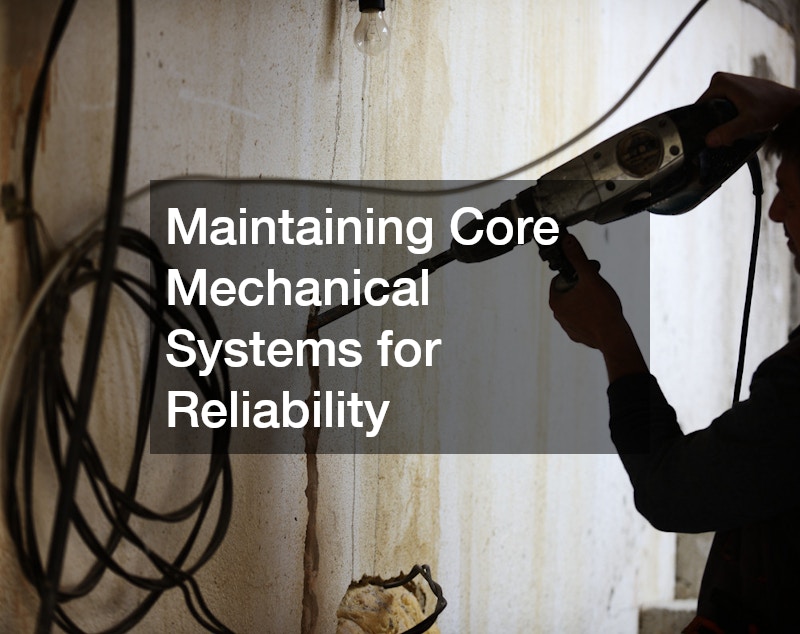
Mechanical systems form the backbone of daily comfort, yet they are often overlooked until they fail and disrupt everyday routines. Because many of these systems operate out of sight, gradual wear and declining performance can go unnoticed for long periods. Proactive monitoring and scheduled service allow homeowners to catch small issues early, extend equipment lifespan, and avoid inconvenient or costly breakdowns.
Water heating equipment is one of the most heavily used mechanical systems in the home and benefits greatly from routine evaluation. Addressing minor performance concerns early through water heater repair helps prevent serious issues such as tank failure, hidden leaks, or escalating energy costs. Homeowners should remain alert to warning signs that indicate declining performance, including:
- Inconsistent or fluctuating water temperatures
- Unusual noises caused by sediment buildup inside the tank
- Visible corrosion around fittings, valves, or the tank base
Regular inspections and basic maintenance tasks, such as flushing sediment, help maintain efficiency and reduce strain on internal components.
For homes that rely on fuel-based heating, careful planning around heating oil tank installation is essential. Tanks must be properly sized to match household demand, positioned to reduce exposure and physical risk, and installed in compliance with safety and environmental regulations. Aging tanks should be evaluated well before the end of their expected service life to identify corrosion, weakened seams, or outdated configurations that could lead to leaks or compliance issues.
A strong mechanical maintenance plan includes:
- Annual performance checks to confirm safe and efficient operation
- Ongoing monitoring of efficiency and operating costs to spot early decline
- Planning replacements or upgrades before an emergency failure occurs
By incorporating these steps into a long-term strategy, homeowners can maintain consistent comfort while reducing the likelihood of sudden disruptions and long-term risk.
Fire Prevention and Indoor Air Quality Planning
Fire safety and indoor air quality are closely linked to ongoing maintenance practices, particularly in homes that rely on fireplaces, wood stoves, or fuel-burning appliances for heat. When these systems are not regularly inspected and serviced, combustion byproducts can accumulate and create hazardous conditions. Poor airflow, restricted exhaust paths, and residue buildup all increase the likelihood of both fire incidents and indoor air contamination.
Soot buildup, creosote accumulation, and blocked flues are among the most common contributors to chimney-related hazards. Creosote is highly combustible, and even a thin layer can ignite under high temperatures. Scheduling regular chimney sweep services removes this buildup, clears obstructions, and verifies that exhaust gases are venting properly. Professional servicing also helps identify cracks, liner damage, or other issues that could compromise safe operation.
Beyond fire prevention, clean and functional venting systems provide several important benefits:
- Reduce indoor pollutants by allowing smoke and combustion gases to exit efficiently.
- Improve heating efficiency by maintaining proper draft and airflow.
- Prevent carbon monoxide buildup that can result from incomplete combustion or blocked exhaust paths.
In addition to maintaining combustion systems, homeowners should periodically inspect and test safety devices throughout the home. Smoke detectors and carbon monoxide alarms should be checked for proper operation and battery life, while fire extinguishers should be accessible and within their service dates. These routine checks take minimal time but play a critical role in protecting occupants and maintaining a safe living environment.
Managing Outdoor Systems That Affect Property Integrity
Outdoor systems are exposed to constant environmental stress and often operate out of sight, making them easy to overlook. However, failures in these areas can directly impact foundations, landscaping, and exterior surfaces.
Irrigation systems are a common source of hidden damage. Leaks or misaligned components can oversaturate soil near the home, leading to erosion or foundation stress. Timely sprinkler repairs help maintain proper water distribution and prevent unnecessary moisture accumulation.
Best practices for outdoor system management include:
- Seasonal system startup and shutdown
- Adjusting spray patterns away from structures
- Inspecting valves and lines for leaks
Coordinating outdoor maintenance with weather patterns reduces water waste and protects structural elements from long-term exposure.
Securing Access Points and High-Use Mechanical Features

Some of the most frequently used components in a home also experience the greatest wear, making them more likely to fail without warning. Doors, tracks, springs, and openers endure daily use that gradually weakens hardware and affects performance if maintenance is deferred.
Garage systems deserve particular attention because of their size, weight, and safety risks. Working with a qualified garage door company helps identify alignment problems, worn components, and outdated safety mechanisms before they lead to malfunction, injury, or property damage.
Routine checks should focus on:
- Smooth operation and proper balance during opening and closing
- Sensor functionality to ensure automatic reversal and safety compliance
- Structural integrity of panels, tracks, and mounting hardware
Proactive servicing supports dependable access and reduces the likelihood of sudden failures that require costly emergency repairs.
Preparing for Emergencies and Unexpected Damage
Even the most thorough maintenance plan cannot prevent every emergency, as severe weather, plumbing failures, or accidents can cause sudden damage that demands immediate action. When these situations arise, hesitation or confusion can worsen the impact.
Establishing a response plan in advance allows homeowners to act quickly and with confidence. Knowing who to contact, how to limit further damage, and what documentation is needed helps stabilize the situation during the critical early stages.
A trusted restoration company plays a key role by responding promptly to water, fire, or structural damage and preventing secondary issues such as mold growth or material deterioration. Their expertise helps streamline recovery and reduce disruption.
Preparation steps include:
- Keeping contact information easily accessible
- Understanding insurance coverage and documentation requirements
- Knowing how to safely shut off utilities
Being prepared reduces stress, limits damage, and shortens recovery time when unexpected events occur.
Coordinating Contractors, Records, and Long-Term Planning

Effective maintenance planning is as much about organization as it is about repairs. Keeping accurate records allows homeowners to track service history, identify recurring issues, and plan future investments.
Centralizing documentation such as:
- Inspection reports
- Service invoices
- Warranty information
helps support informed decision-making and adds value during resale.
Coordinating contractors strategically can also reduce costs and disruption. Scheduling related services together minimizes repeat labor and allows professionals to identify overlapping concerns.
Long-term planning benefits from:
- Annual reviews of maintenance timelines
- Adjustments based on system performance
- Budget forecasting for upcoming replacements
This level of coordination transforms maintenance from a reactive task into a strategic approach to property protection.
Comprehensive home maintenance planning is an ongoing process that evolves with the property and its occupants. By understanding how systems age, interact, and fail, homeowners can make proactive decisions that protect both their investment and daily comfort.
A structured approach reduces surprises, spreads costs over time, and ensures that critical systems receive attention before problems escalate. With careful planning, consistent monitoring, and informed coordination, homeowners can safeguard their property for decades to come.