Home safety depends on far more than locks and alarms. It is shaped by the condition of the systems, structures, and components that homeowners interact with every day. When repairs are delayed or overlooked, small issues quietly develop into hazards that can compromise security, health, and structural integrity. Many accidents and costly emergencies stem from problems that could have been addressed earlier with proper attention and planning.
Effective repair practices focus on prevention rather than reaction. They prioritize early detection, professional evaluation, and timely action to reduce risk and protect everyone living in the home. A proactive mindset allows homeowners to address weaknesses before they become dangerous, costly, or disruptive. It also helps distribute repair costs over time, rather than facing sudden, expensive emergencies that place strain on both budgets and daily routines.
Beyond safety, consistent maintenance plays a critical role in preserving a home’s functionality and value. Well-maintained systems operate more efficiently, experience fewer breakdowns, and provide a more comfortable living environment. Addressing issues early also reduces the likelihood of secondary damage, such as water-related structural problems or electrical risks caused by neglected mechanical systems. Homeowners who invest in regular upkeep are often rewarded with fewer disruptions, lower long-term expenses, and greater peace of mind.
This guide explores how targeted repairs across critical areas of the home can significantly improve safety. By understanding where risks typically arise and how to address them strategically, homeowners can create a safer, more reliable living environment year-round. Thoughtful maintenance not only reduces accidents but also improves daily comfort and long-term property value.
Identifying Hidden Safety Risks Before They Escalate
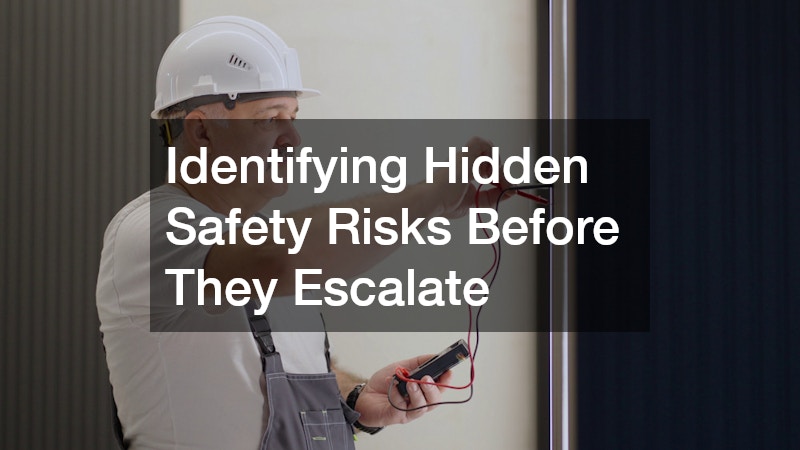
Some of the most serious safety risks inside a home begin as subtle inconveniences. A door that sticks, a latch that doesn’t align, or a slow drain may seem minor, but these issues often indicate underlying problems that deserve attention. Ignoring these warning signs allows them to compound into safety threats that are more expensive and disruptive to fix later.
Problems related to door repairs frequently affect both security and emergency readiness. Doors that don’t close properly may leave gaps that compromise insulation, invite pests, or reduce fire containment. Misaligned frames and worn hardware can prevent doors from opening or closing quickly during emergencies, creating dangerous delays when seconds matter most.
Similarly, plumbing concerns are rarely isolated. A small leak or persistent moisture can weaken flooring, encourage mold growth, and increase the risk of slips or structural damage. Over time, trapped moisture may also compromise nearby electrical systems, introducing additional hazards.
A qualified plumbing repair service can identify hidden problems behind walls, under floors, or within aging pipes before they escalate. Early intervention protects both the structure and the occupants while minimizing long-term repair costs. Regular assessments also help homeowners understand which components are nearing the end of their lifespan.
Key warning signs homeowners should never ignore include:
- Doors that rub, stick, or fail to latch securely
- Soft flooring near sinks or appliances
- Persistent damp smells or unexplained moisture
- Water stains on walls or ceilings
- Sudden changes in water pressure
Addressing these early prevents compounding safety risks and creates a more secure living environment.
Preventing Water Damage and Structural Hazards
Water is one of the most destructive forces affecting residential safety. When not properly managed, it weakens foundations, damages materials, and creates hazardous living conditions. Effective water control relies on both exterior and interior systems working together seamlessly to move moisture away from vulnerable areas.
Issues requiring gutter repair often become evident after heavy rainfall. Sagging sections, overflowing channels, or disconnected downspouts allow water to pool near foundations, increasing the risk of basement flooding and soil erosion. Over time, this can compromise structural stability and create damp conditions that support mold growth and pest activity.
Inside the home, slow or frequently clogged drains indicate deeper problems. Professional drain cleaning services remove buildup that restricts flow and prevents backups that could flood living spaces. Left unaddressed, backups can contaminate surfaces, damage finishes, and create slipping hazards.
Preventive water management strategies include:
- Inspecting gutters and downspouts seasonally
- Clearing debris before rainy seasons
- Monitoring indoor drains for slow flow or odors
- Addressing leaks immediately
- Ensuring proper grading directs water away from the home
By controlling water movement proactively, homeowners significantly reduce safety hazards tied to moisture, mold, and structural damage while preserving the integrity of their property.
Protecting Indoor Air Quality and Temperature Control
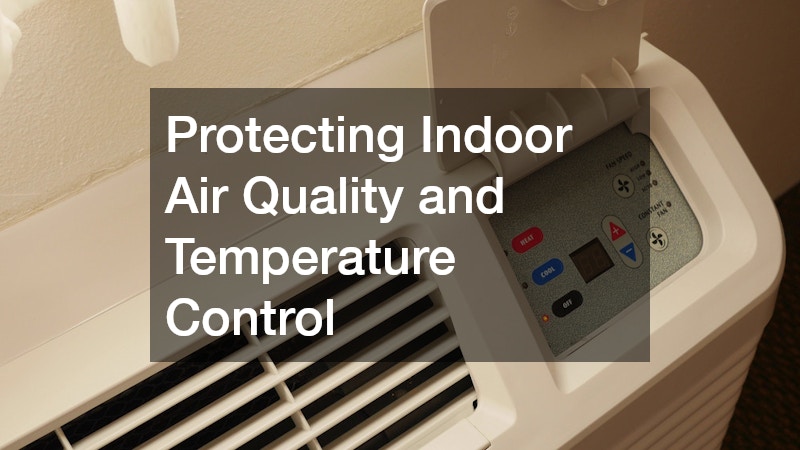
A home’s heating and cooling systems play a vital role in occupant safety. Poor airflow, malfunctioning components, or neglected maintenance can compromise indoor air quality and expose residents to health risks that worsen over time. These issues often go unnoticed until discomfort or illness becomes apparent, making early attention especially important.
When HVAC repair is delayed, systems may circulate dust, allergens, and pollutants throughout the home. Blocked filters or failing components can also lead to uneven temperatures, placing stress on occupants during extreme weather. Prolonged exposure to poor air quality increases respiratory issues and reduces overall comfort, especially for children and older adults, who are often more sensitive to temperature fluctuations.
Professional air conditioning services ensure cooling systems operate safely and efficiently, particularly during heat waves when system strain is highest. Routine inspections identify worn parts, airflow restrictions, and electrical concerns before they result in system failure or unsafe conditions, helping maintain a healthier and more stable indoor environment.
Safety benefits of well-maintained climate systems include:
- Improved airflow and filtration
- Reduced strain on electrical components
- Stable indoor temperatures during extreme conditions
- Early detection of mechanical or wiring issues
- Lower risk of emergency failures
Maintaining these systems isn’t just about comfort—it’s about protecting health, preventing heat-related illness, and ensuring a stable indoor environment throughout the year.
Reducing Electrical and Mechanical Fire Risks
Fire risks often originate from mechanical systems operating under stress. When cooling equipment struggles to perform, electrical components may overheat, increasing the likelihood of failure or ignition. These risks grow when early warning signs are ignored, especially during periods of heavy use when systems are pushed beyond their normal capacity.
Neglecting indicators that signal the need for AC repair can place unnecessary strain on wiring, motors, and compressors. Warning signs such as unusual noises, frequent cycling, or warm air output should never be dismissed as minor inconveniences. These symptoms often reflect deeper mechanical or electrical issues that could escalate quickly. Left unaddressed, they may lead to damaged insulation, overloaded circuits, or sudden system shutdowns that increase fire risk. Prompt evaluation and corrective action help protect both the equipment and the home, reducing the chance of preventable electrical emergencies.
Homeowners can reduce fire risk by:
- Scheduling inspections when performance changes occur
- Avoiding repeated system resets
- Keeping vents unobstructed
- Replacing filters regularly
- Addressing abnormal odors or sounds immediately
Taking swift action protects both the system and the home from preventable fire hazards. It also reduces the chance of system failure during peak usage periods when cooling is most critical for safety and comfort.
Ensuring Roof Integrity Against Environmental Threats
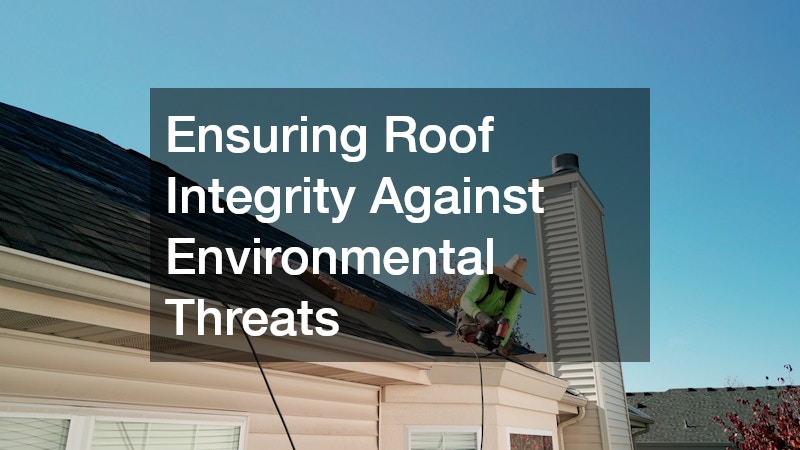
The roof is a home’s first line of defense against weather-related risks. Even minor damage can expose interior spaces to water intrusion, mold growth, and structural weakening if left unaddressed. Over time, this exposure can compromise ceilings, insulation, and framing.
Timely roofing repair prevents small issues such as missing shingles, damaged flashing, or minor leaks from escalating into larger failures. Storms, wind, and temperature fluctuations accelerate deterioration, making routine inspections essential for maintaining safety and long-term durability.
Working with experienced local roofers offers added protection, as they understand regional weather patterns and building requirements. Their familiarity with local conditions allows for accurate assessments and targeted repairs that account for seasonal challenges.
Signs a roof may be compromising safety include:
- Water stains on ceilings or walls
- Curling or missing shingles
- Granule buildup near downspouts
- Soft spots in attic decking
- Increased indoor humidity
Prompt attention preserves structural integrity and reduces the likelihood of sudden, dangerous failures during severe weather events.
Choosing Qualified Professionals for Critical Repairs
Safety-critical repairs demand professional expertise. Poor workmanship, lack of compliance, or improper materials can create new hazards rather than solving existing ones. Choosing qualified professionals is a foundational step in protecting your home and avoiding preventable safety risks that may surface months or even years later.
A reputable roofing company provides trained technicians, proper licensing, and insurance coverage that protects homeowners from liability. Professional contractors follow safety protocols, adhere to building codes, and deliver durable solutions that withstand long-term use and environmental stress, even under severe weather conditions.
Likewise, hiring a reliable plumbing repair service ensures water systems are repaired correctly, reducing the risk of leaks, contamination, and structural damage. Proper installation, pressure testing, and inspections are essential for long-term safety and help ensure systems function reliably without hidden weaknesses.
When selecting professionals, homeowners should:
- Verify licensing and insurance
- Ask about warranties and documentation
- Request detailed estimates
- Confirm experience with similar projects
- Review safety procedures and compliance standards
Qualified professionals reduce risk, ensure accountability, and provide peace of mind throughout the repair process while protecting the value of your home.
Creating a Preventative Repair Schedule for Safety
Preventive maintenance is one of the most effective ways to reduce household safety risks. Instead of waiting for failures, homeowners who schedule routine care address issues early and avoid emergencies that disrupt daily life.
Planning regular HVAC repair helps maintain safe airflow, stable temperatures, and reliable system performance. Seasonal inspections allow technicians to identify wear before it becomes hazardous or causes system shutdowns during extreme weather.
Similarly, scheduling gutter repair prevents water-related issues that compromise foundations, siding, and walkways. Clean, functional gutters reduce slip hazards and prevent erosion that can destabilize exterior surfaces.
A strong maintenance schedule should include:
- Seasonal inspections for major systems
- Documentation of service dates and findings
- Prioritization based on safety impact
- Budget planning for preventive care
- Coordination across multiple systems
Consistency ensures no area is overlooked and reduces the likelihood of sudden, dangerous failures that could have been prevented with routine care.
Coordinating Repairs to Avoid Overlapping Hazards
Home systems are interconnected, and repairing one area often affects another. Addressing problems in isolation can unintentionally create new risks or leave underlying issues unresolved.
For example, failing to align drain cleaning services with plumbing inspections may overlook pipe damage that worsens after debris removal. Coordinated planning ensures that fixes reinforce rather than undermine each other.
Similarly, combining air conditioning services with electrical evaluations ensures systems operate safely under load, reducing strain on wiring and mechanical components. This integrated approach helps prevent overloads and system conflicts.
Benefits of coordinated repair planning include:
- Reduced redundancy and cost
- Improved system compatibility
- Fewer scheduling conflicts
- Lower risk of unintended damage
- More comprehensive safety outcomes
Clear communication between service providers and homeowners ensures repairs support long-term safety goals rather than temporary fixes.
Improving home safety requires thoughtful planning, consistent maintenance, and informed decision-making. Effective repair practices reduce risk by addressing vulnerabilities early, strengthening critical systems, and preventing minor issues from escalating into dangerous situations. When homeowners view repairs as part of a long-term safety strategy rather than isolated tasks, they create a more resilient and dependable living environment.
By taking a proactive approach and working with qualified professionals, homeowners can protect their investment while ensuring a safer, more comfortable living environment. Safety isn’t achieved through one repair or upgrade—it’s built through ongoing attention and responsible care. Regular inspections, timely repairs, and proper documentation help eliminate guesswork and ensure that issues are resolved the first time correctly. This approach also allows homeowners to plan financially, avoiding the stress of sudden emergency repairs.
A home that is well-maintained functions more reliably, responds better to environmental stress, and provides peace of mind to everyone inside. Systems that are routinely checked and serviced perform more efficiently and last longer, reducing both safety risks and long-term costs. Effective repairs are not just about fixing problems—they are about preventing harm, preserving quality of life, and creating a home that supports long-term well-being. Ultimately, a consistent commitment to maintenance fosters confidence, stability, and a safer daily living experience for everyone who depends on the home.