When the first crisp breeze of autumn rolls across the neighborhood, most homeowners instinctively reach for a warm sweater or plan a weekend trip to see the fall foliage. However, beneath the cozy aesthetics of autumn lies an urgent reality: extreme winter weather poses a relentless threat to the structural integrity, energy efficiency, and safety of your residence. Freezing temperatures, relentless moisture, sub-zero winds, and heavy snow loads exert continuous pressure on every square foot of a building envelope.
Failing to prepare for the onslaught of winter can transform minor, unnoticed maintenance oversights into devastating property damage. A hairline crack in an exterior surface can quickly turn into a major structural failure after several freeze-thaw cycles. Similarly, an unserviced climate control system might fail on the coldest night of the year, leaving your family stranded in freezing conditions and exposing your plumbing to catastrophic pipe bursts.
Taking a systematic, proactive approach to winterization is the best way to safeguard your investment. By addressing your home’s exterior defenses, primary mechanical systems, structural barriers, and outdoor amenities before the first major snowstorm arrives, you can maintain year-round indoor comfort, suppress monthly utility costs, and avoid the chaotic stress of emergency home repairs.
Defending the Exterior Building Envelope against Severe Winter Elements
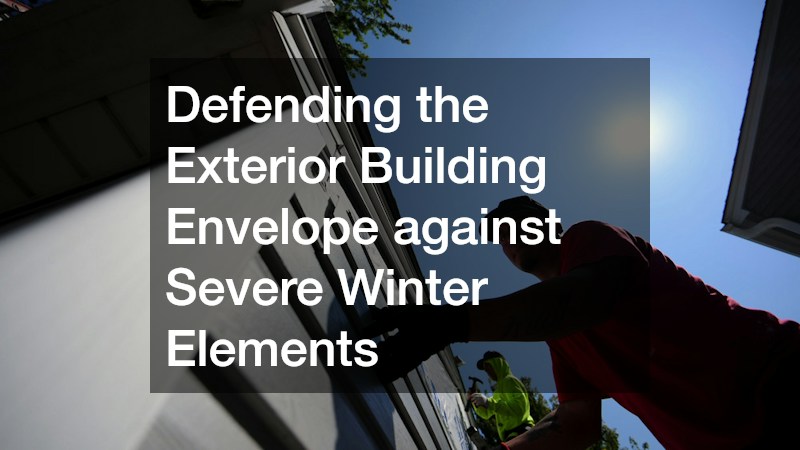
The exterior shell of a house functions as its primary shield against freezing precipitation, biting winds, and heavy ice accumulation. Protecting this shell requires careful observation, preventive maintenance, and timely restoration of vulnerable outdoor materials before sub-zero temperatures arrive.
Performing Comprehensive Roofing and Drainage Assessments
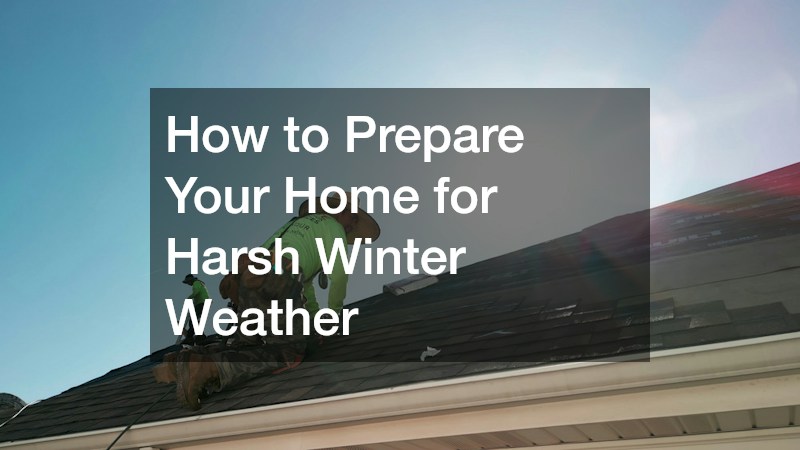
Winter storms test the resilience of your roof more than any other season. Snow accumulation creates heavy, prolonged loads, while fluctuating temperatures cause ice to melt and refreeze along the roof line, forming destructive ice dams. To prevent moisture from backing up under shingles and leaking into your attic, start by inspecting the perimeter of your roof line.
Look closely for damaged, curling, or missing asphalt shingles, as well as degraded flashing around chimneys, skylights, and plumbing vents. If you notice signs of structural wear, asphalt granule loss, or leaking during early autumn rains, scheduling a professional roof repair service before the first severe freeze is vital for stopping water intrusion.
Equally important is the clear flow of your drainage infrastructure. Autumn leaves, twigs, and organic debris rapidly clog gutters and downspouts. When clogged gutters freeze, the trapped water expands, bending the gutter troughs away from the fascia boards and forcing melting snow backward into the soffits. Clean out all gutters thoroughly, flush the downspouts with a high-pressure hose, and ensure downspout extensions direct water at least five feet away from the perimeter of your home.
Restoring and Sealing Driveways and Outdoor Hardscapes
Driveways, walkways, and concrete patios are exceptionally vulnerable to frost heave and surface spalling. When rainwater or melting snow seeps into porous asphalt or microscopic concrete cracks, it expands by approximately nine percent as it freezes. This expansion exerts enormous outward force, turning tiny fissures into large potholes and uneven slabs over a single winter season.
To protect these hard surface investments, complete a thorough surface restoration during the mild days of early fall:
- Deep clean the entire surface using a high-powered pressure washer to eliminate dirt, oil stains, moss, and loose debris.
- Fill all cracks wider than a quarter of an inch with a flexible, rubberized exterior masonry filler, pressing the material deep into the void to ensure a complete moisture seal.
- Apply a high-grade coat of driveway sealcoating across the entire asphalt expanse to create a seamless, waterproof barrier that repels water, road salt, and automotive fluids.
- Allow the sealant to cure completely for at least 24 to 48 hours before driving heavy vehicles across the surface.
Fortifying Ground Barriers and Securing Structural Foundations
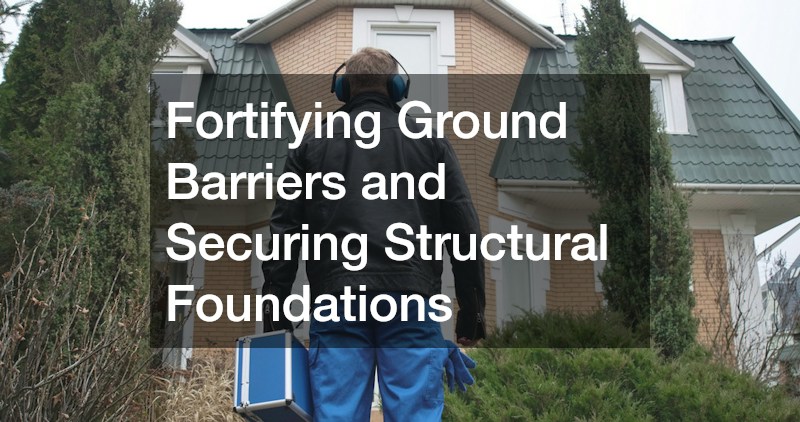
Ground-level structures bear the brunt of subterranean freezing forces and heavy snow drifts. Protecting your foundation and entryways keeps cold air out and keeps the structural base of your property dry and stable.
Identifying Foundation Cracks and Preventing Subterranean Water Hazards
As the moisture content in the surrounding soil freezes and thaws, the ground shifts and exerts lateral hydrostatic pressure against basement walls and crawlspace footings. Over time, this pressure causes structural settling, basement dampness, and severe wall cracks.
Consider the experience of a homeowner in the Midwest who noticed a minor hairline crack in her basement’s north wall during late August. She ignored it, assuming it was cosmetic. By February, repeated freezing of the saturated soil outside forced water through the widening gap, flooding her finished basement with two inches of icy slush. Had she addressed the issue in the fall by hiring a specialist for local foundation repairs, she would have saved thousands of dollars in water mitigation and dry-wall replacement.
Walk the perimeter of your home’s interior basement walls and exterior exposed footings. Use epoxy injection kits for minor cosmetic indoor settling lines, but always consult a certified structural engineer if you observe horizontal cracking, wide diagonal step cracks in brickwork, or bowing walls. Additionally, ensure the ground surrounding your foundation slopes downward at least six inches over a ten-foot radius to carry melting snow away from the home.
Eliminating Drafts at Main Entry Points and Heavy Doors
Large exterior openings are major source points for heat loss. Sliding glass doors and garage doors are particularly prone to leaking warm air due to their expansive surface areas and heavy reliance on flexible weather seals.
Inspecting and repairing weather stripping around sliding glass panels prevents continuous heat loss throughout the winter. Over time, dust and grit wear down the bottom rollers, causing the door to drag and misalign with the frame, which creates wide gaps for cold drafts. Performing a quick sliding door repair—such as clearing the track, replacing worn rollers, and installing fresh, high-density weather seals—restores an airtight barrier against freezing outdoor winds.
Similarly, large overhead garage doors require dedicated winterization. Because an uninsulated or drafty garage sits directly adjacent to living spaces or bedrooms, cold air trapped inside lowers the temperature of the entire home. Inspect the heavy rubber threshold seal at the bottom of the door for cracking or flattening. Replace stiffened seals, lubricate all spring assemblies and track rollers with silicone spray, and consider adding retrofitted insulation kits to single-wall metal panels to keep the interior space significantly warmer.
Servicing Primary Heating and Indoor Climate Infrastructure
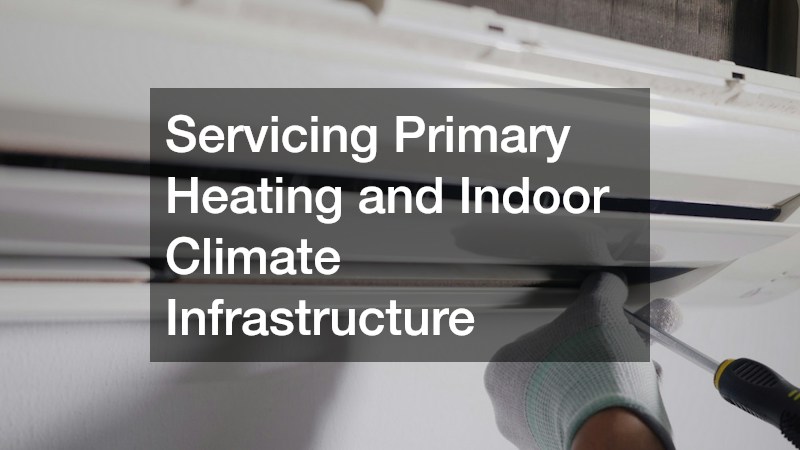
Your indoor climate control systems work harder during the winter than at any other time of the year. Ensuring these systems operate at peak performance keeps your home comfortable and protects your household from dangerous utility disruptions or carbon monoxide hazards.
Preparing Gas Furnaces and Central Heating Systems for Heavy Usage
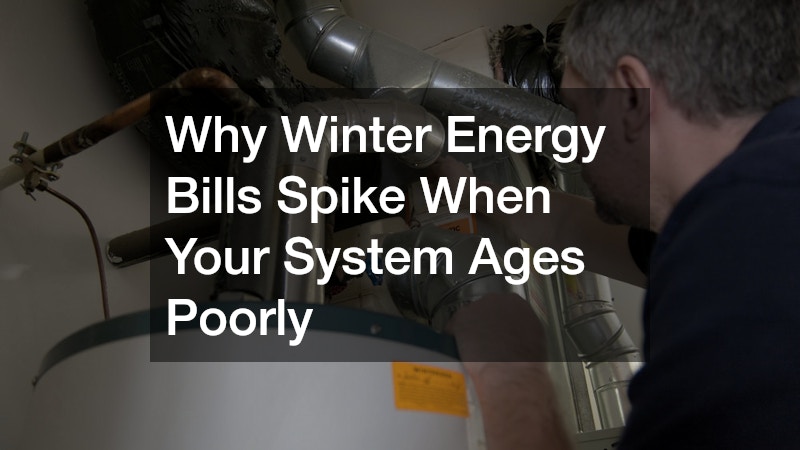
When the temperature drops below freezing, your primary heat source must run continuously for days or weeks at a time. A system that has sat idle through the spring and summer can accumulate dust, develop component fatigue, or suffer from electrical ignition failure right when you need it most.
To ensure safe, continuous operation, follow this maintenance checklist before switching your thermostat to heat mode:
- Filter Replacement: Swap out old, clogged air filters for fresh, high-efficiency pleated filters to ensure maximum airflow and reduce strain on the blower motor.
- Venting Inspection: Check external intake and exhaust pipes to confirm they are completely free of bird nests, fallen leaves, or outdoor debris.
- Thermostat Calibration: Upgrade to a programmable or smart thermostat to automatically reduce heating output during hours when the house is empty, reducing unnecessary mechanical wear.
- Professional Component Overhaul: Schedule a certified technician to inspect the heat exchanger for dangerous hairline cracks, clean the burner assembly, test safety limit switches, and handle any necessary furnace repair tasks before peak season arrives.
- Ductwork Sealing: Inspect accessible air ducts in basements or attics for loose joints, sealing any visible air leaks with foil tape or duct mastic to ensure hot air reaches every room efficiently.
Taking the time to complete a full Heating repair and maintenance routine in early autumn ensures that your equipment operates at maximum energy efficiency while minimizing the risk of a sudden mid-winter breakdown.
Decommissioning Air Conditioning Equipment for the Off-Season
While heating takes center stage in winter, properly shutting down your central cooling system is equally critical. Leaving an outdoor condenser unit unprotected exposes delicate aluminum fins, fan blades, and electrical connections to ice accumulation, falling icicles, and corrosive moisture.
Start by switching off the dedicated electrical disconnect switch located on the exterior wall near the condenser unit. This prevents the system from accidentally turning on during unusually warm winter days. Clean away leaves, grass clippings, and mud from the base of the unit. While minor issues can wait until spring, scheduling a late-season air conditioning repair for loose electrical wiring or failing fan motors prevents hidden damage from worsening while the unit sits dormant. Finally, place a breathable vinyl cover or a sheet of exterior plywood weighted down with a heavy stone over the top of the unit to protect the fan housing from heavy snow accumulation.
Winterizing Outdoor Living Amenities and Secondary Fire Features

Outdoor living areas provide wonderful spaces for entertaining during summer, but their specialized equipment requires distinct winterization steps to prevent catastrophic freeze damage.
Inspecting Chimneys and Masonry Fireplaces for Safe Operation
Nothing beats the warmth of a roaring fireplace on a freezing winter evening, but an unmaintained fireplace poses severe fire hazards and air quality risks. Creosote, a flammable byproduct of wood combustion, accumulates along the interior walls of the flue over time. If allowed to build up, a heavy layer of creosote can ignite and cause a dangerous chimney fire.
Hire a certified sweep to clear the flue, inspect the damper mechanism, and check the structural integrity of the upper stack. Over time, freeze-thaw cycles cause mortar joints to crumble and brick face layers to spall. Addressing structural masonry degradation through a timely chimney repair prevents moisture from entering the flue structure, freezing, and destabilizing the entire brick stack during winter blizzards. Ensure the top of the stack features a heavy-duty stainless steel cap with wire mesh to keep out rain, snow, and nesting animals.
Protecting Outdoor Spas and Exterior Plumbing Lines
Year-round outdoor recreational amenities demand careful thermal management during severe freezes. Water trapped inside small pipes, pumps, or heater manifolds expands rapidly when frozen, cracking expensive internal plastic and copper components.
If you plan to use your spa throughout the winter, maintain a steady water temperature, test the water chemistry weekly, check the operation of automatic freeze-protection sensors, and inspect the cover for an airtight seal. If you notice leaks along pump seals, water jets, or heater connections, performing immediate hot tub repairs prevents water loss that could leave plumbing lines dry and exposed to catastrophic freezing.
For standard exterior plumbing lines, follow a strict winterization routine:
- Locate the main interior shutoff valves for all exterior hose bibs and turn them off completely.
- Go outside, disconnect all garden hoses, drain them, and store them indoors.
- Open the outdoor hose bib valves fully to allow any residual water trapped inside the pipe run to drain out completely.
- Install insulated foam covers over each exterior faucet to protect the valve assembly from freezing winds.
- Fully blow out subterranean sprinkler systems using compressed air to clear all underground lines, valves, and pop-up sprinkler heads.
Implementing Indoor Energy Efficiency Measures and Emergency Readiness Strategies
While protecting major structural systems and outdoor amenities forms the foundation of winterization, indoor efficiency adjustments and emergency planning provide the final layers of protection for your household.
Small air leaks around window frames, attic access hatches, electrical outlets, and baseboards account for a massive percentage of total residential heat loss. Walk through your home holding an lit incense stick or a draft detector near window sashes and door frames; wherever the smoke drifts horizontally, apply fresh silicone caulk or dense foam weather stripping. Consider installing clear, heat-shrink insulation film over old single-pane glass windows to create a dead-air insulating barrier that significantly reduces radiant heat transfer.
Internal pipe insulation is another high-yield DIY improvement. Wrap exposed copper or PEX water pipes running through unconditioned basements, attics, or exterior wall cavities with fitted foam insulation sleeves. During periods of extreme sub-zero weather, leave cabinet doors open beneath kitchen and bathroom sinks to allow warm room air to circulate around plumbing fixtures, and set faucets to a slow, continuous drip to prevent ice pressure from building up inside the lines.
Finally, prepare your household for unexpected power outages caused by ice storms or high winter winds. Store an accessible emergency kit stocked with bottled water, non-perishable food, flashlights, extra batteries, a crank-powered radio, heavy wool blankets, and a fully stocked first-aid kit. Test all smoke detectors and carbon monoxide alarms throughout your home, replacing old batteries to ensure your family remains safe if alternative heating sources, such as wood stoves or portable space heaters, are brought into service.
Safeguarding Your Investment for the Seasons Ahead
Preparing your home for harsh winter weather is not an overnight task, nor is it something that should be delayed until the first snowfall appears in the local forecast. A truly resilient home is built through methodical planning, seasonal vigilance, and a commitment to addressing minor repairs before they escalate into major emergencies. By taking the time to systematically inspect your roof, fortify your foundation, service your heating systems, and protect your outdoor amenities, you transform your home into a safe, energy-efficient sanctuary capable of withstanding the worst winter weather.
The efforts you invest during the mild days of autumn pay direct dividends all winter long in the form of lower energy bills, uninterrupted indoor comfort, and complete peace of mind. Take control of your home’s winter readiness today—audit your property room by room, prioritize critical maintenance tasks, and consult qualified professionals for complex structural or mechanical overhauls. Your home is your most valuable asset; protecting it against the winter elements ensures it remains safe, strong, and warm for many years to come.