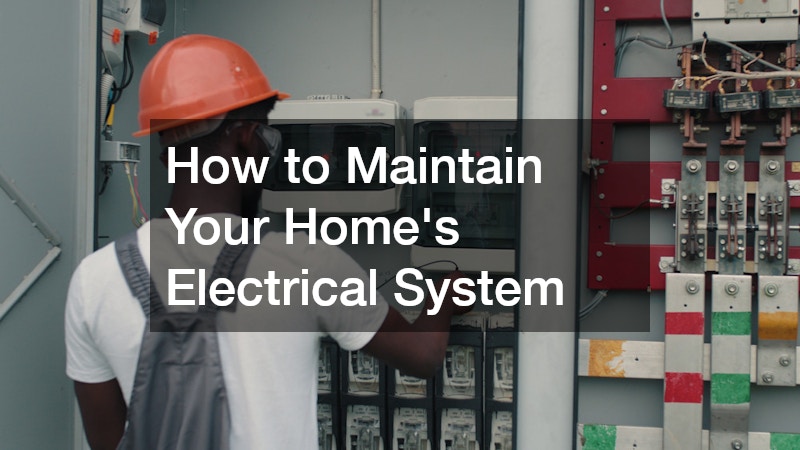
Understanding the importance of maintaining your home’s electrical system cannot be overstated. Not only does it ensure the safety of your household by preventing fires and electrical shocks, but it also improves the efficiency of your electrical appliances. Regular electrical services can significantly extend the lifespan of your electrical system, saving you money and stress in the long run.
What Are the Basic Steps to Maintain an Electrical System?
Conducting regular inspections of your home’s electrical system is crucial for early identification of potential issues. Homeowners should look for signs of wear and tear, such as frayed wires or flickering lights.
By regularly inspecting the system, minor problems can be addressed before they escalate into costly repairs.
Inspections should be carried out every few months, especially in older homes where systems may be more prone to faults. During these inspections, ensure that outlets are not hot to the touch, and check the condition of your circuit breaker. An important fact to note is that a consistent humming noise can be an early warning sign of electrical failure.
Cleaning and Replacing Equipment
Keeping your electrical equipment clean and in good working order is an essential part of system maintenance. Dust accumulation in outlets, for instance, can pose fire hazards and reduce efficiency. Therefore, regularly scheduling equipment cleaning can drastically reduce the risk of electrical hazards.
Replacement of worn-out parts is equally important to ensure the safety and functionality of your electrical system. Components such as cables and wires have lengths of service life and must be replaced as they wear out. Neglecting the replacement of these components can lead to serious faults, necessitating expensive repairs.
Using Safety Equipment
Using the correct safety gear when maintaining your home’s electrical system is imperative for avoiding injuries. Items like insulated gloves, protective eyewear, and shoes with rubber soles are necessities. Such equipment helps in preventing accidents and ensures that any repairs are conducted safely.
Homeowners should invest in a multimeter to safely test electrical systems, and always ensure the power is turned off before performing any checks. It’s important to note that safety equipment should be checked regularly to ensure its effectiveness isn’t compromised over time. Regularly updating or replacing safety equipment is part of a good maintenance routine.
How Often Should You Upgrade Your Home’s Electrical System?
Several factors can determine when it’s necessary to upgrade your home’s electrical system. The age of the current system is usually the primary factor, as older systems may not handle today’s electrical demands. Another consideration is the increase in power consumption with the addition of modern appliances and electronics.
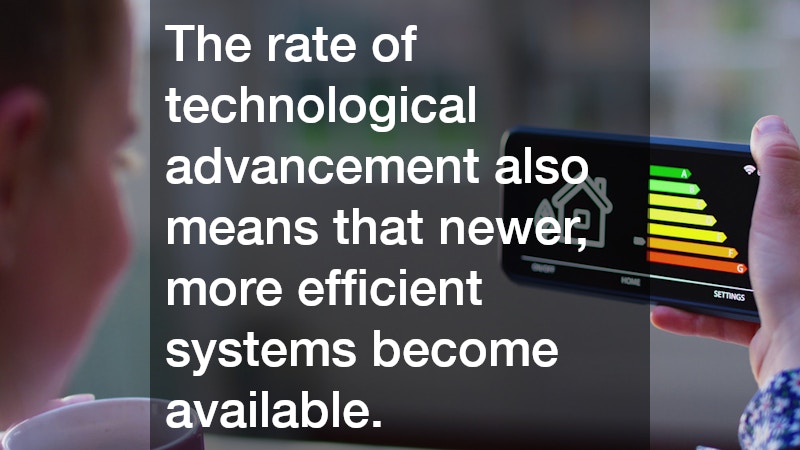
The rate of technological advancement also means that newer, more efficient systems become available. Homeowners should evaluate whether their current system can support new additions or improvements, such as solar panels. Environmental factors, such as extreme climate variations, can accelerate the wear and tear of electrical systems.
Signs It’s Time for an Upgrade
Recognizing the signs that point to the need for an electrical system upgrade can prevent major failures and safety issues. Frequent tripping of circuit breakers, discolored outlets, and dimming or flickering lights are clear indicators. If your system struggles when multiple appliances run simultaneously, it might be time for an upgrade.
Older homes, especially those built more than 30 years ago, may have outdated wiring systems such as aluminum or knob-and-tube wiring, which require upgrading. The introduction of new technologies in your home, like electric cars, will require more robust electrical support. Safety concerns, such as electric shocks when touching appliances, indicate a failing system in dire need of an upgrade.
What Are Common Electrical Issues, and How Can You Prevent Them?
Common electrical issues in homes range from persistent tripped circuit breakers to sudden power outages. Often, these problems stem from overloading circuits, incorrect wiring, or faulty components. Early identification is key to taking corrective measures and avoiding more severe mishaps.
One pervasive issue is electrical surges that can damage appliances and shorten their lifespan. A less observable but equally dangerous problem is improper grounding, which can lead to electric shocks. Keeping an eye out for unusual sounds or smells can be crucial for recognizing when your electrical system needs attention.
Preventive Measures
To prevent common electrical issues, homeowners should adopt proactive measures like installing surge protectors and routinely updating wiring systems. Engaging in routine checks helps catch faults early, thereby preventing bigger complications. Additional installations, such as smoke detectors, also contribute to general home safety.
Ensuring all appliances are compatible with your electrical system’s capacity is another important preventive measure. Homeowners should also avoid overloading power strips or outlets, which are often causes of fires. Understanding the limitations of your system serves as a preventative measure in itself.
When to Call a Professional
Understanding when to seek professional help is vital in maintaining a safe and functional electrical system. Homeowners should call in professionals whenever they face persistent electrical issues that they cannot resolve themselves. Some situations, like installing or upgrading circuit breakers, inherently require professional expertise.
Any signs of burning odors or sparks necessitate immediate action from a qualified electrician to prevent potential disasters. It’s also crucial to engage professionals when dealing with complex systems or integrated technology solutions. Proactive professional consultations can help identify and prevent problems before they occur.
Consistent and proactive maintenance of your home’s electrical system is paramount for safety, efficiency, and cost-effectiveness. Regular inspections, timely upgrades, and the involvement of qualified professionals help prevent dangerous and costly issues. By prioritizing these activities, homeowners can ensure long-term safety and operational effectiveness in their home’s electrical systems.